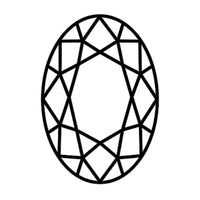
 Oval Cut
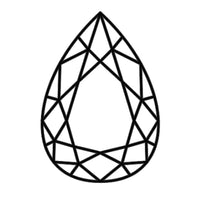 Pear Cut
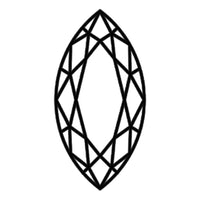 Marquise Cut
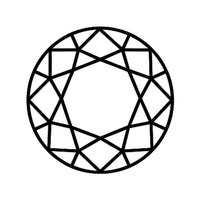 Round Cut
 Kite Cut
 Hexagon Cut
 Heart Cut
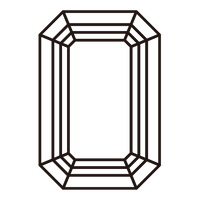 Emerald Cut
 Conffin Cut


Cubic Zirconia vs Diamond: Which One Should You Choose?
When choosing an engagement ring or everyday jewelry, many buyers compare cubic zirconia vs diamond to decide which stone best fits their needs. While both can look beautiful at first glance, they perform very differently over time.
Diamonds are valued for their durability, rarity, and long-term brilliance, while cubic zirconia (CZ) is a laboratory-made stone designed to mimic diamond sparkle at a much lower cost.
But the decision is not simply about price. Comfort, longevity, sparkle style, and how often you plan to wear the jewelry all influence which stone is right for you.
This guide explores the real differences between CZ and diamond, helping you understand how each performs in daily wear and long-term use.
Cubic Zirconia vs Diamond: Quick Comparison
| Feature | Diamond | Cubic Zirconia (CZ) |
|---|---|---|
| Material | Natural or lab-grown carbon | Synthetic crystal |
| Hardness | 10 (very scratch resistant) | 8–8.5 (can scratch over time) |
| Sparkle | Natural, balanced brilliance | Strong rainbow sparkle |
| Durability | Suitable for lifelong wear | Better for occasional wear |
| Longevity | Lasts decades or generations | May dull after years |

What Is Cubic Zirconia?
Cubic zirconia is a synthetic crystal made from zirconium dioxide. Developed in the 1970s, it quickly became popular as a diamond substitute because it could be produced cheaply and in large quantities.
Unlike diamonds, which form naturally or are grown under diamond-forming conditions, CZ is manufactured specifically to imitate diamond appearance. It does not share diamond's chemical composition or natural rarity.
Because of this, CZ is commonly used in fashion jewelry, travel jewelry, or pieces meant for occasional wear rather than lifelong use.
Cubic Zirconia vs Diamond: Key Performance Differences
Material Structure
Diamonds are formed from carbon atoms arranged in an extremely strong crystal structure. This structure is responsible for diamond's famous hardness and brilliance.
Cubic zirconia, although visually similar, has a completely different atomic composition, resulting in different physical behavior over time.
Scratch Resistance in Daily Wear
The biggest practical difference appears in how each stone handles daily wear.
Diamonds rank 10 on the Mohs hardness scale, meaning almost nothing can scratch them except another diamond. This makes them ideal for rings and jewelry worn every day.
Cubic zirconia ranks around 8–8.5, which is durable but not scratch-proof. Over time, contact with dust, surfaces, or other jewelry can create small scratches that reduce shine.
For jewelry worn occasionally, this may not matter much. For daily rings, the difference becomes noticeable after years of use.
Sparkle Style and Light Reflection
Both stones sparkle, but their sparkle looks different.
Diamonds produce a balanced return of white light along with subtle flashes of color. This gives diamonds a clean, elegant brilliance under most lighting conditions.
Cubic zirconia produces stronger rainbow flashes due to higher light dispersion. While attractive at first, this sparkle can sometimes appear overly colorful or artificial compared to diamond’s more refined appearance.
In side-by-side comparison, diamonds tend to look deeper and more natural.
Long-Term Appearance
A major factor buyers rarely consider is how stones age.
Diamonds maintain their clarity and brilliance even after decades of wear. Proper cleaning restores sparkle easily.
Cubic zirconia, however, can slowly develop surface wear or internal cloudiness, especially when exposed to soaps, lotions, or regular friction. This gradual dulling is why many CZ pieces are replaced after several years rather than kept long-term.
Weight and Feel
Cubic zirconia is denser than diamond, so a CZ stone of the same size weighs more. Some jewelers use this difference to help identify stones.
While not noticeable to all wearers, heavier stones can slightly change how large rings feel on the hand.
Visual Perfection vs Natural Character
CZ stones are usually flawless and perfectly colorless because they are manufactured under controlled conditions.
Diamonds often contain tiny inclusions or slight color variations, especially natural ones. Interestingly, these small features are part of what makes diamonds unique and allow experts to identify genuine stones.

Cubic Zirconia vs Moissanite: A Common Alternative Comparison
Many buyers also compare cubic zirconia vs moissanite when looking for diamond alternatives.
Moissanite, made from silicon carbide, offers several advantages over CZ:
-
Higher hardness, making it better for daily wear
-
Better resistance to dulling over time
-
Deeper, more diamond-like brilliance
-
Longer-lasting clarity
While moissanite still produces strong rainbow sparkle, it maintains its appearance longer than CZ, making it popular for engagement rings.
Who Should Choose Cubic Zirconia?
Cubic zirconia is a smart choice when:
-
Jewelry is worn occasionally rather than daily
-
You enjoy changing styles frequently
-
You want affordable pieces for travel or events
-
Budget flexibility matters more than long-term durability
CZ allows buyers to enjoy fashionable designs without major investment.
When Diamond or Moissanite Makes More Sense
Diamond or moissanite may be better choices when:
-
Jewelry will be worn daily
-
You want long-lasting brilliance
-
Durability matters for rings or active lifestyles
-
The piece is meant to last many years or generations
Diamonds remain the most durable and traditional option, while moissanite offers strong performance at a more accessible price point.

Final Thoughts: CZ vs Diamond
Cubic zirconia and diamonds serve different roles in jewelry.
CZ offers attractive sparkle and affordability, making it perfect for fashion pieces and occasional wear. Diamonds, however, deliver unmatched durability and longevity for jewelry intended to last decades.
The right choice ultimately depends on how often you plan to wear the jewelry and how long you want it to remain beautiful.
Understanding the differences between CZ and diamond helps you choose jewelry that fits your lifestyle and long-term needs. Whenever you're ready to add a new favorite piece, you can explore the latest ring designs at Iver Jewelry for styles suited to everyday wear or special moments.
FAQ About Cubic Zirconia vs Diamond
Does cubic zirconia lose its sparkle over time?
Yes. With regular wear, cubic zirconia can develop small surface scratches or become cloudy due to oils and abrasion. Proper cleaning helps, but CZ generally loses brilliance faster than diamonds or moissanite.
Is cubic zirconia good for an engagement ring?
Cubic zirconia can work for engagement rings on a tight budget or for temporary use, but it may need replacement after several years of daily wear. For long-term engagement rings, moissanite or diamond is usually preferred.
Can cubic zirconia get scratched easily?
CZ is fairly durable but softer than diamond, so it can scratch over time, especially in rings worn daily or during physical activities.
How long does cubic zirconia jewelry last?
With occasional wear and proper care, CZ jewelry can look good for several years. Daily-wear pieces may show wear sooner, depending on lifestyle and exposure.
Which looks more realistic: moissanite or cubic zirconia?
Moissanite generally looks closer to diamond because it maintains clarity longer and reflects light with more depth, while CZ may appear more artificial over time.