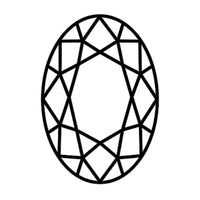
 Oval Cut
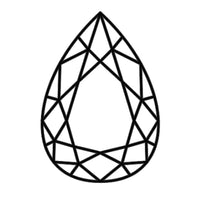 Pear Cut
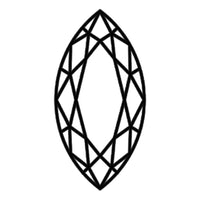 Marquise Cut
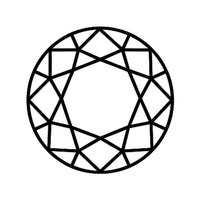 Round Cut
 Kite Cut
 Hexagon Cut
 Heart Cut
 Emerald Cut
 Conffin Cut


Who Should Not Wear Opal?
If you've ever seen an opal engagement ring in person, you probably understand why so many women are drawn to them. The way the color shifts and glows from within the stone—blues, greens, reds, golds, all swirling together—makes every opal feel like a tiny piece of magic. It's one of the most unique, nature-inspired gemstones you can wear, and that's exactly why opal rings have become such a popular choice for women who want something different from traditional diamonds.
But here's the thing: not everyone should wear opal as their everyday ring.
Opal is special, but it's also delicate. And whether you're thinking about it from a traditional belief perspective or just from a practical jewelry-care standpoint, there are real reasons why some people might want to skip opal or at least think carefully before choosing it.
Let's talk about who should not wear opal—and why.
Opal Isn't the Most Durable Gemstone
Before we dive into the "who" part, let's be honest about what opal is: it's not diamond, sapphire, or ruby. Those stones are hard, tough, and basically built for everyday wear. Opal is softer, more sensitive, and requires more care.
On the Mohs hardness scale, which measures how resistant a gemstone is to scratching, opal sits between 5.5 and 6.5. That's way lower than diamond (10), sapphire and ruby (9), or even moissanite (9.25). This means opal is more likely to scratch, chip, or crack if it gets hit or rubbed against something hard.
Opal also contains water—usually between 3% and 20% of its structure. That water gives opal its beautiful glow, but it also makes the stone sensitive to heat, dryness, and sudden temperature changes. If you live in a really hot or dry climate, or if you're constantly exposing your ring to heat (like while cooking, washing dishes, or using hot water), opal can lose moisture over time and even develop tiny cracks on the surface.
If you want an opal ring that lasts, consider protective settings like bezel or halo designs that help shield the delicate stone from daily wear.

Who Should Be Careful With Opal Rings?
Let's get into the real question: who should not wear opal, or at least be cautious about wearing it?
1. People with Active or Hands-On Lifestyles
If your job involves using your hands a lot—construction, healthcare, machining, craftsmanship, cleaning, childcare, or anything where you're lifting, gripping, or working with tools—your ring will get hit, bumped, or rubbed against things constantly. Opal doesn't handle that kind of wear very well.
Same thing if you're an athlete, gym-goer, or someone who does a lot of physical activities. Contact sports, weight training, climbing, skiing, or even just moving furniture can put stress on a ring. Many active people find they need to remove jewelry before exercising, which can be inconvenient if you want a ring you can wear constantly.
2. People Who Want a Low-Maintenance Ring
Some people just want jewelry they don't have to think about. You wear it, you forget it, you never remove it, you never worry about it. If that's your style, opal might frustrate you.
Opal needs gentle cleaning, careful storage (not tossed in a box with harder jewelry that can scratch it), and mindful wearing habits. You should remove it before swimming, working out, doing dishes, or using harsh chemicals. It's not a "set it and forget it" stone.
3. People in Hot or Dry Climates
If you live in a desert climate, travel frequently to hot places, or spend a lot of time in very dry environments, prolonged heat and dryness can affect opal. The stone can lose moisture over time, which increases the risk of cracking or developing what's called "crazing"—tiny surface cracks that dull the stone's appearance.
4. People Who Want Maximum Durability Without Conditions
If your goal is an engagement ring that will look perfect for decades with no special care, no removal, no worry, opal is probably not the right choice. Diamonds, sapphires, and rubies are way more durable for everyday wear without requiring special handling.

What About Traditional Beliefs?
Beyond the practical stuff, there's also the traditional side of gemstones. Some cultures and belief systems have long histories around which stones are good (or not good) for certain people.
In many astrological traditions, opal is linked to Venus—the planet of love, beauty, harmony, and creativity. People who believe in this system often wear opal to enhance romantic energy, emotional balance, and personal aesthetics.
But some traditional teachings also suggest that certain people might want to be cautious with opal. For example:
-
Some systems say people with certain "rising signs" or energy patterns might interact differently with Venus-associated stones.
-
Some traditions suggest avoiding opal during certain time periods when planetary influences are considered challenging.
-
Some older texts mention that people with certain astrological placements might benefit from consulting a knowledgeable teacher before wearing opal regularly.
I want to be clear: these are traditional beliefs, not scientific facts. Different schools and teachers interpret things differently. Some encourage opal for many people, while others are more selective. If you follow traditional gemstone advice seriously, the best approach is to talk to someone experienced in your specific tradition who can look at your full chart or energy pattern.
Who Actually Loves Opal?
Now, let's flip this around. Opal is not a stone to avoid for everyone. In fact, tons of women wear opal jewelry happily every day. Many women choose an opal ring for their engagement because every stone is one-of-a-kind, making your jewelry truly personal and meaningful.
Opal is perfect for people who:
-
Love unique, one-of-a-kind jewelry with artistic character
-
Prefer nature-inspired, romantic, vintage, or handcrafted styles
-
Value symbolism and personal meaning more than maximum hardness
-
Plan to wear jewelry for special occasions or as a secondary ring
-
Are willing to take extra care with delicate gemstones
-
Understand that opal requires more attention than harder stones
Many people who choose opal know they're investing in beauty and meaning, not maximum durability. They enjoy the story opal brings, love its connection to October birthstones, and appreciate wearing something that feels truly personal and unique.
How to Make Opal Work If You Love It
If you're drawn to opal but worried about durability, there are ways to make it work:
-
Protective settings: Bezel settings that fully encircle the stone, halo settings that create a protective border, or lower-profile designs that reduce impact risk can all help.
-
Occasional wear: Use opal for engagement rings intended for special events, or for wedding bands, statement rings, or jewelry pieces not meant for constant daily wear.
-
Other jewelry types: Wear opal in earrings, pendants, or bracelets that sit higher and avoid frequent contact with surfaces.
-
Care habits: Remove your ring before swimming, working out, doing dishes, or using chemicals. Store it separately from harder jewelry. Clean it gently with soft water and a soft cloth.
Final
So, who should not wear opal?
From a practical standpoint: people with active or hands-on lifestyles, people who want low-maintenance jewelry, people in hot or dry climates, and people who expect maximum durability without special care should think carefully before choosing opal.
From a traditional perspective: some belief systems suggest thoughtfulness for people with certain energy patterns or placements, though these are cultural beliefs, not facts.
If you love opal's unique beauty, its magical color play, and its one-of-a-kind nature, and you're willing to take care of it, opal can be a stunning and meaningful choice. If you're looking for a truly unique piece, our opal ring collection features nature-inspired designs that showcase the gemstone's magical play of color.
FAQ
Who should not wear opal rings?
People with active or hands-on lifestyles, those who want a low-maintenance everyday ring, and anyone in very hot or dry climates should be cautious. Opal is softer and more delicate than diamond or sapphire.
Can active people wear opal?
Not ideally. If you work with your hands, lift heavy objects, or do contact sports, opal may chip or crack. Consider harder gemstones like diamond, sapphire, or ruby for everyday wear.
Should I avoid opal if I follow astrology?
Some traditional astrological beliefs suggest avoiding opal if Venus is afflicted, placed in certain houses, or if you have certain ascendants like Scorpio, Aries, or Leo. Consult a trusted astrologer for your chart.
Is opal bad for people in dry climates?
Yes, opal can lose moisture in very hot or dry environments, increasing the risk of cracking or crazing. People in desert climates should be extra careful or choose harder stones.
Who should skip opal for an engagement ring?
If you want a ring for 24/7 everyday wear without special care, skip opal. It's better for special occasions, occasional wear, or people willing to remove it for sports, cleaning, and heavy activities.
Are there any health risks from wearing opal?
No scientific health risks exist. The only concerns are practical: opal scratches, chips, and cracks more easily than harder stones, so it requires mindful care.
When should someone not wear opal jewelry?
Avoid wearing opal during sports, heavy lifting, cleaning with chemicals, swimming, or exposure to extreme heat. Remove it before these activities to protect the stone.