 Oval Cut
 Pear Cut
 Marquise Cut
 Round Cut
 Kite Cut
 Hexagon Cut
 Heart Cut
 Emerald Cut
 Conffin Cut


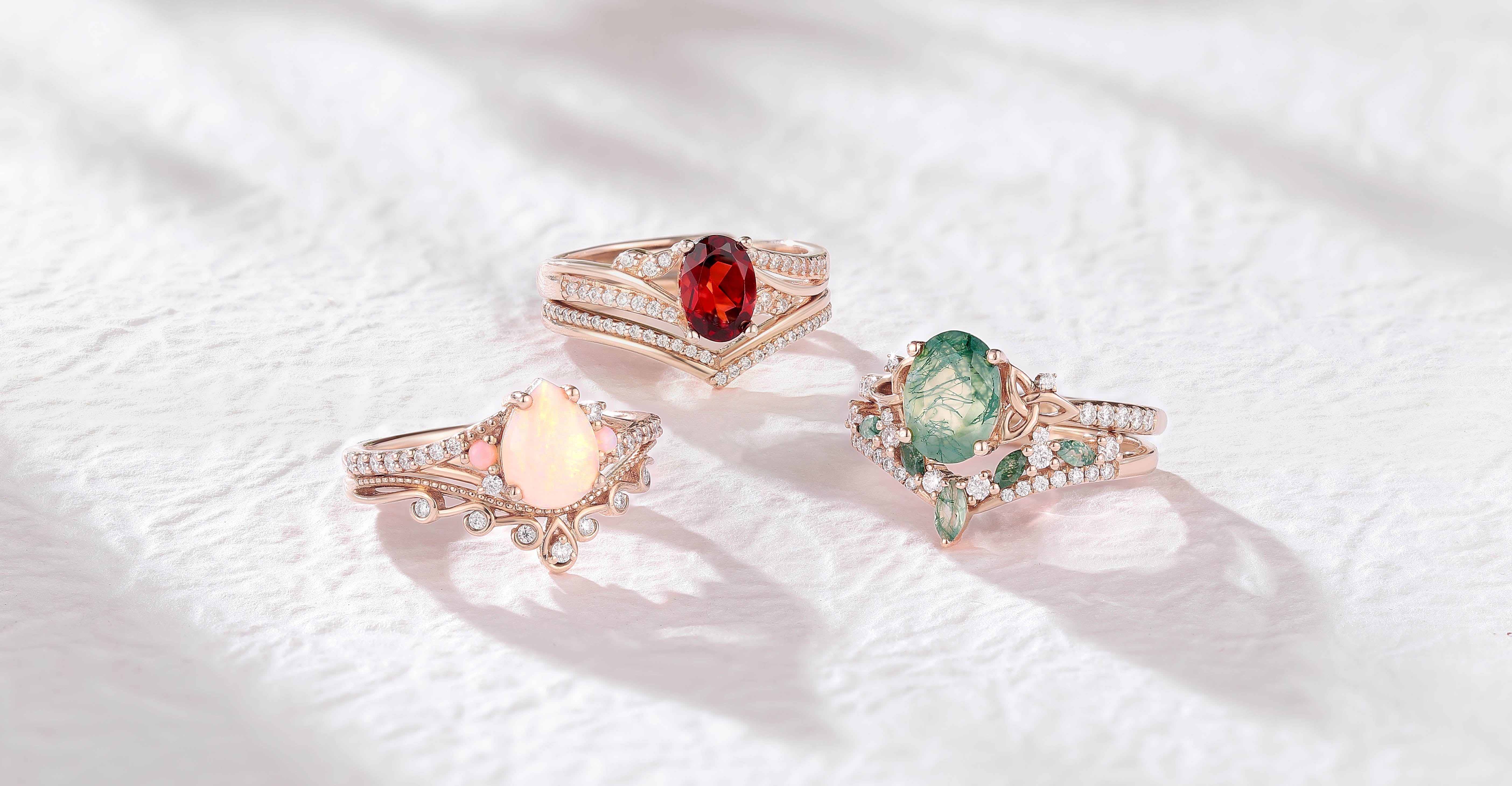

White Gold vs Silver Rings: Which Should You Buy?
At first glance, white gold and silver can look almost identical. Both metals have a cool-toned white appearance that works beautifully in rings, necklaces, earrings, and other everyday jewelry. Because of this, many shoppers wonder: is white gold the same as silver?
The answer is no. While they may share a similar color, white gold and sterling silver differ in composition, durability, maintenance, value, and long-term wear.
In this guide, we’ll compare white gold vs silver in detail — including appearance, hardness, pricing, tarnish resistance, and which metal may suit your lifestyle best.
What Is Sterling Silver?
Silver is a naturally occurring precious metal valued for its bright luster and affordability. Since pure silver is very soft, most jewelry uses sterling silver, an alloy made of 92.5% silver and 7.5% other metals, usually copper. Sterling silver is commonly marked with a “925” stamp.
Key Features of Sterling Silver
- Bright white color with soft gray undertones
- Lightweight and comfortable for daily wear
- More affordable than gold or platinum
- Easy to shape into detailed jewelry designs
- Can tarnish over time with exposure to air and moisture
Sterling silver is especially popular for fashion jewelry, minimalist rings, and affordable everyday pieces.
[products1]
What Is White Gold?
White gold is made by mixing pure yellow gold with white metals such as palladium, nickel, silver, or zinc. The result is a lighter-colored gold alloy with a cool white appearance.
Most white gold jewelry is coated with rhodium plating, which gives it a brighter finish and additional surface protection.
Unlike silver, white gold contains real gold, making it more valuable and typically more durable for long-term wear.
Common White Gold Options
- 14K White Gold – More durable and scratch resistant
- 18K White Gold – Higher gold content with a softer finish
Without rhodium plating, white gold may develop a slightly warm or yellow undertone over time.

White Gold vs Silver: Main Differences
| Feature | White Gold | Sterling Silver |
|---|---|---|
| Metal Composition | Gold alloy with white metals | 92.5% silver + copper |
| Color | Bright white with rhodium plating | Cool white with soft gray tones |
| Durability | More scratch resistant | Softer and easier to scratch |
| Tarnish | Rarely tarnishes | Tarnishes over time |
| Maintenance | Occasional replating | Frequent polishing |
| Weight | Heavier feel | Lightweight |
| Price | Higher cost | More affordable |
| Long-Term Value | Higher resale value | Lower intrinsic value |
Appearance: Does White Gold Look Like Silver?
Yes — visually, white gold and silver can appear very similar, especially when new.
However, there are subtle differences:
- White gold usually has a brighter, more reflective finish because of rhodium plating.
- Silver has a softer shine with slightly darker gray undertones.
Over time, sterling silver may tarnish and darken, while white gold typically maintains its appearance longer with proper care.
If you prefer a luxury look with a brighter finish, white gold is often the preferred option. Silver, on the other hand, offers a softer and more relaxed aesthetic.
Durability and Mohs Hardness
One of the biggest differences between white gold and silver is durability.
The Mohs hardness of silver is around 2.5–3, making sterling silver relatively soft compared to other jewelry metals. It can scratch, bend, or dent more easily with daily wear.
White gold is generally harder:
- 14K white gold: approximately 3.5–4 on the Mohs scale
- 18K white gold: approximately 2.8–3.5
This makes white gold a better option for engagement rings, wedding bands, and jewelry worn every day.
Which Metal Requires More Maintenance?
Sterling silver requires more regular care because it naturally tarnishes when exposed to sulfur, moisture, and air.
Silver Care Tips
- Store jewelry in airtight bags
- Use anti-tarnish strips
- Polish regularly with a silver cloth
- Avoid chemicals and swimming pools
White gold requires less maintenance overall, though rhodium plating may need refreshing every few years depending on wear.
For many people, white gold is easier to maintain long term.
Price Comparison: White Gold vs Silver
Silver is significantly more affordable than white gold, making it ideal for budget-friendly jewelry collections or trend-based styles.
White gold costs more because it contains real gold and often includes rhodium plating. It also tends to retain value better over time.
Choose Silver If:
- You want affordable jewelry
- You enjoy changing styles frequently
- You prefer lightweight pieces
Choose White Gold If:
- You want better durability
- You wear jewelry daily
- Long-term value matters to you
- You prefer a more luxurious finish
Is White Gold Better Than Silver for Rings?
For everyday rings such as engagement rings or wedding bands, white gold is usually the better long-term choice because it resists scratches and wear more effectively.
Silver works well for occasional jewelry, fashion rings, or those looking for a more affordable alternative.
Many people choose both:
- Silver for casual or trend-focused pieces
- White gold for fine jewelry designed to last for years
Explore our white gold engagement rings for timeless styles with a bright, elegant finish.
Final Thoughts on White Gold vs Silver
Although they look similar, white gold and silver are very different metals.
White gold offers greater durability, higher value, and a brighter luxury finish, making it ideal for long-term fine jewelry. Sterling silver stands out for its affordability, versatility, and classic beauty.
The best choice depends on your budget, lifestyle, and how often you plan to wear the piece. Whether you prefer the affordability of sterling silver or the lasting brilliance of white gold, our jewelry collection offers a variety of nature-inspired ring styles.
FAQ About White Gold vs Silver
Is white gold the same as silver?
No, white gold and silver are different metals. White gold is made from gold mixed with white alloys and usually coated with rhodium plating, while sterling silver contains 92.5% pure silver. Although they look similar, white gold is generally more durable and valuable than silver.
Which is better: white gold or sterling silver?
It depends on your needs. White gold is better for long-term durability, everyday wear, and fine jewelry like engagement rings. Sterling silver is more affordable and works well for fashion jewelry or occasional wear.
Does white gold tarnish like silver?
White gold does not tarnish the same way sterling silver does. Sterling silver naturally reacts with air and moisture, causing dark tarnish over time. White gold is more resistant to tarnishing, especially with rhodium plating.
Is sterling silver softer than white gold?
Yes. Sterling silver is softer and more prone to scratches or bending. The Mohs hardness of sterling silver is around 2.5–3, while 14K white gold is generally harder and more resistant to daily wear.
Which metal is better for engagement rings?
White gold is typically the better option for engagement rings because it is more durable and holds gemstones more securely over time. Sterling silver is better suited for occasional jewelry or budget-friendly styles.
Does white gold turn yellow over time?
Over time, the rhodium plating on white gold can wear down slightly, revealing a warmer undertone underneath. Professional replating can restore its bright white finish.
How can you tell white gold from silver?
You can usually identify them through metal stamps or hallmarks:
- White gold is often marked 10K, 14K, or 18K
- Sterling silver is commonly marked 925
A jeweler can also test the metal if you're unsure.
Is white gold more expensive than silver?
Yes. White gold is significantly more expensive because it contains real gold and often includes rhodium plating. Sterling silver is much more affordable, making it popular for everyday jewelry and fashion pieces.
Can you wear sterling silver every day?
Yes, but sterling silver requires regular cleaning and care to prevent tarnish and scratches. For heavy daily wear, white gold is generally more durable and lower maintenance.