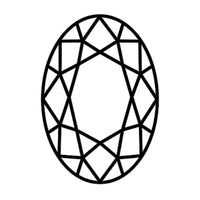
 Oval Cut
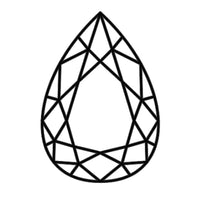 Pear Cut
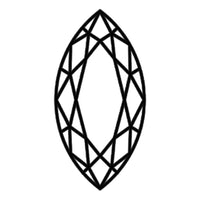 Marquise Cut
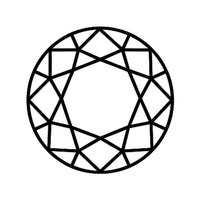 Round Cut
 Kite Cut
 Hexagon Cut
 Heart Cut
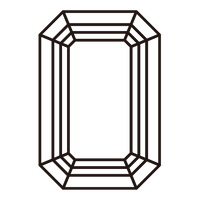 Emerald Cut
 Conffin Cut


What Stones Are Not Good for Engagement Rings? (And What to Know Before Buying One)
Introduction: Not Every Beautiful Stone Is Built for Everyday Wear
Engagement rings are worn every day for years — not just for photos or special occasions. That’s where many buyers go wrong.
A gemstone can look stunning in a display case but fail quickly in real life due to scratches, chips, or surface damage. The biggest deciding factor isn’t color or sparkle — it’s durability.
Before choosing an engagement ring, you need to understand one thing: some stones simply are not made for daily wear.
This guide breaks down which stones to avoid, why they fail, and what you should consider before buying.
Why Durability Matters More Than Appearance
The Mohs hardness scale (1–10) measures scratch resistance. For engagement rings:
- 8–10 = ideal for daily wear
- 7–7.5 = risky long-term
- Below 7 = not recommended
But hardness is not everything. You also need to consider toughness (resistance to breaking or chipping), which is often overlooked.
Quick Comparison Table: Engagement Ring Stone Durability
| Stone | Mohs Hardness | Daily Wear Suitability | Main Issues |
|---|---|---|---|
| Diamond | 10 | Excellent | Very few |
| Sapphire | 9 | Excellent | Minimal |
| Spinel | 8 | Very good | Rare issues |
| Ruby | 9 | Excellent | Minimal |
| Emerald | 7.5–8 | Risky | Inclusions, brittle |
| Amethyst | 7 | Not ideal | Scratches over time |
| Tanzanite | 6–7 | Not suitable | Chips easily |
| Moonstone | 6–6.5 | Not suitable | Layer splitting |
| Opal | 5.5–6.5 | Not suitable | Cracks, water sensitivity |
| Pearl | 2.5–4.5 | Not suitable | Very soft, easily damaged |
Stones That Are Not Good for Engagement Rings
Opal – Stunning but Extremely Fragile
Opals are famous for their “play-of-color,” but they are one of the least durable gemstones for rings.
Problems include:
- Internal water content makes it unstable
- Sensitive to temperature and dryness
- Can develop cracks over time
- Easily scratched or chipped
Even small impacts can permanently damage it. Opal is better suited for necklaces or earrings, not daily-wear rings. Read more about care and risks in our Opal Jewelry Guide.
Pearl – Too Soft for Daily Wear
Pearls are organic gemstones, not minerals, which makes them extremely soft.
Issues:
- Mohs hardness only 2.5–4.5
- Easily scratched by skin oils, perfume, or soap
- Loses luster over time
- Sensitive to chemicals and sweat
Pearl rings are beautiful but should be treated as occasional jewelry only.
Moonstone – Weak Structure Despite Beautiful Glow
Moonstone is loved for its soft glow (adularescence), but structurally it is fragile.
Problems:
- Layered structure can split on impact
- Scratches easily at 6–6.5 hardness
- Surface damage dulls appearance quickly
It works better in low-impact jewelry, not engagement rings worn daily.
Tanzanite – Trendy but Not Built for Real Life
Tanzanite has become popular for its blue-purple tone, but durability is a major issue.
Weak points:
- Hardness only 6–7
- Cleavage planes make it prone to chipping
- Requires careful handling even with normal wear
Many jewelers report frequent repair cases for tanzanite engagement rings.
Amethyst – Looks Stronger Than It Is
At Mohs 7, amethyst seems okay — but daily wear tells a different story.
Issues:
- Fine scratches accumulate from dust
- Color and shine dull over time
- Not ideal for long-term engagement rings
Better used for occasional jewelry.
Emerald – Beautiful but Internally Fragile
Emerald is one of the most popular “green engagement stones,” but it comes with a hidden weakness.
Even though hardness is 7.5–8:
- Most emeralds contain internal fractures (“jardin”)
- These inclusions reduce structural strength
- Chips and cracks are common under impact
If you love green stones, green sapphire is a far safer alternative. Explore our high-quality green sapphire rings — a durable and elegant alternative with excellent hardness for everyday wear.
Why People Still Choose These Stones
Despite the risks, these gemstones remain popular because:
- Unique colors and aesthetics
- Lower price than diamonds or sapphires
- Emotional meaning (travel memories, personal symbolism)
- Social media influence and edited visuals
However, what looks perfect online often doesn’t survive daily wear.
Better Alternatives for Engagement Rings
If durability matters, these are safer choices:
Sapphire (Best All-Round Choice)
- Mohs 9
- Extremely durable
- Available in many colors (blue, pink, yellow, green)
If you want a durable and colorful option, explore our Sapphire Engagement Rings collection.
Spinel (Underrated Gem)
- Mohs 8
- High clarity and durability
- Excellent for colored engagement rings
Ruby
- Mohs 9
- Extremely tough
- Classic and long-lasting
Diamond / Moissanite
- Highest durability options
- Excellent for everyday wear
- Minimal maintenance
Can Settings Improve Weak Stones?
Settings help, but they cannot fully fix a weak gemstone.
Helpful settings:
- Bezel setting (protects edges)
- Low-profile setting (reduces impact risk)
But even the best setting cannot make opal or pearl suitable for daily wear.
Engagement Ring Buying Checklist
Before buying, ask yourself:
- What is the Mohs hardness?
- Does the stone have internal inclusions?
- Will I wear this ring every day?
- Do I work with my hands a lot?
- Am I okay with maintenance or repairs?
If the answer involves frequent wear, prioritize durability first.
Common Mistakes Buyers Make
- Choosing color over durability
- Trusting Instagram images without research
- Not asking about toughness or inclusions
- Ignoring lifestyle needs
- Assuming all gemstones are “engagement-ring safe”