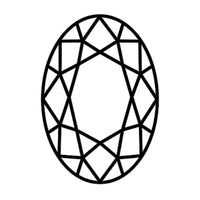
 Oval Cut
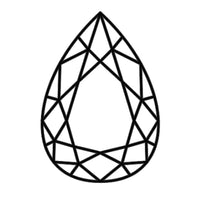 Pear Cut
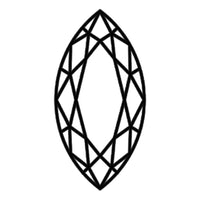 Marquise Cut
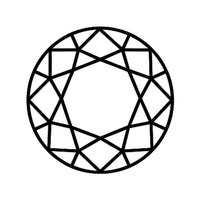 Round Cut
 Kite Cut
 Hexagon Cut
 Heart Cut
 Emerald Cut
 Conffin Cut


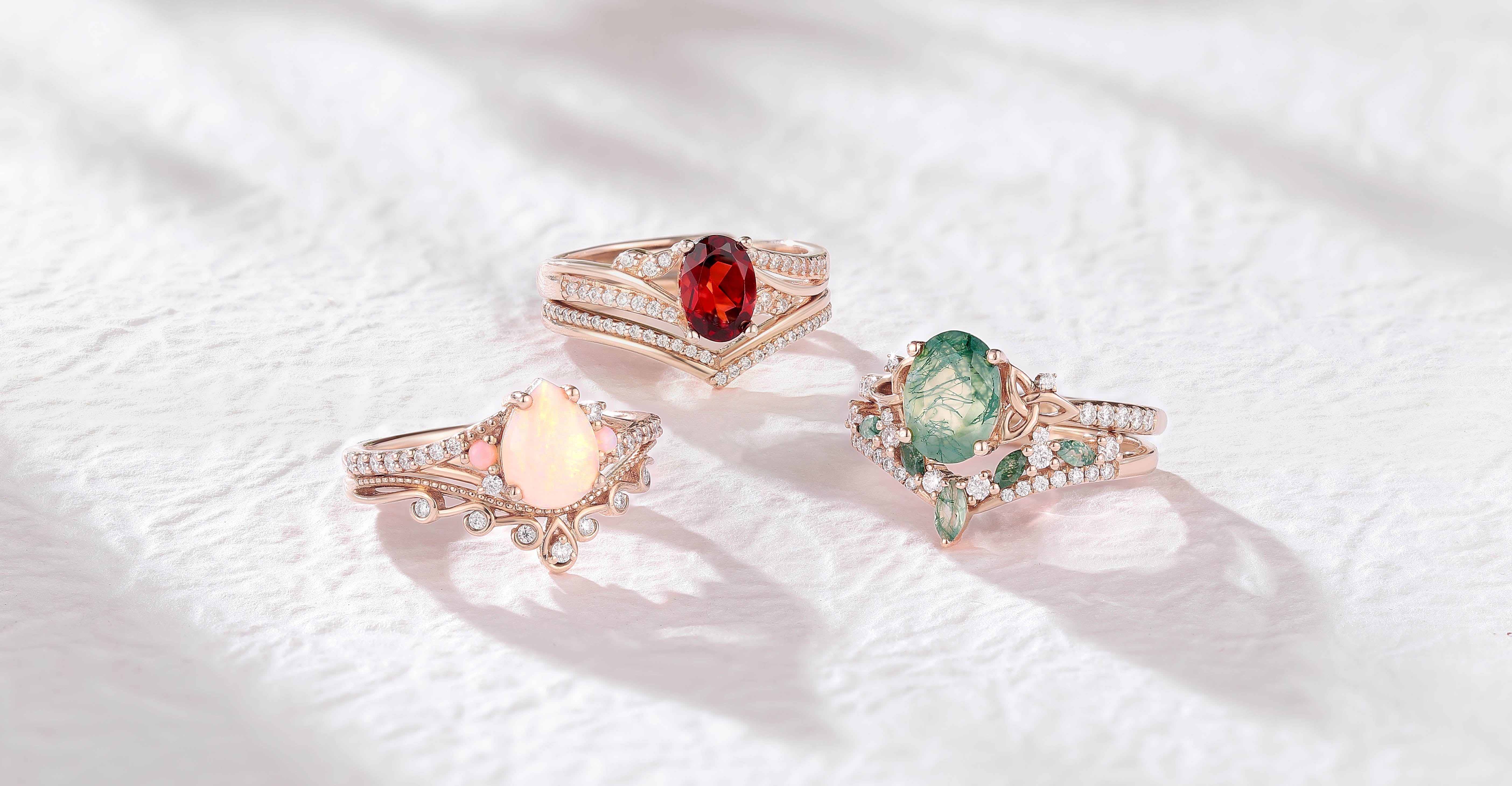

What Is a Mother’s Ring? A Simple Guide to Meaning, Styles, and Cost
Looking for the perfect Mother’s Day gift? A mother’s ring has become one of the most meaningful choices for moms today. Unlike ordinary jewelry, it tells a story—each stone can represent a child, a grandchild, or a special moment in her life.
This tradition has grown over the years, turning a simple band into a cherished keepsake that celebrates family and love. In this guide, we’ll take you through what a mother’s ring is, its meaning, popular styles, and how to choose the right one.
What Is a Mother’s Ring?
A mother’s ring is a customized ring that features birthstones representing a mother’s children (and sometimes grandchildren or loved ones). Each stone corresponds to a birth month, making every ring unique to the person wearing it.
Instead of being mass-produced in a standard design, a mother’s ring is usually made to order. You choose the number of stones, their colors, the arrangement, and even small details like engraving.
At its core, it’s a piece of jewelry that reflects her family—something she can wear every day as a reminder of the people who matter most.
The Meaning Behind a Mother’s Ring
What makes a mother’s ring special isn’t the materials—it’s what they stand for.
Each stone represents a person, a memory, a moment in her life. Together, they form a quiet but constant reminder of her role as a mother.
Unlike other rings:
-
It’s not about romance like an engagement ring
-
It’s not about status or fashion
-
It’s about connection and family
For many women, it becomes one of the most meaningful pieces they own. It’s something they reach for daily, not because it’s flashy, but because it feels personal.
That’s also why no two mother’s rings are ever the same. Every design tells a different story.
What Stones Are Used in a Mother’s Ring?
Traditionally, mother’s rings use birthstones. Each month is linked to a specific gemstone and color, which makes the ring both symbolic and visually interesting.
For example:
-
January is a deep red garnet
-
April is a clear diamond
-
June is a soft pearl or color-changing alexandrite. Many choose a pearl mother’s ring
-
October is a colorful opal or pink tourmaline. These stones are often featured in opal mother’s rings
| Month | Birthstone | Color Description |
|---|---|---|
| January | Garnet | Deep red |
| February | Amethyst | Purple |
| March | Aquamarine | Light blue |
| April | Diamond | Clear / white |
| May | Emerald | Rich green |
| June | Pearl / Alexandrite | White / color-changing |
| July | Ruby | Bright red |
| August | Peridot | Light green |
| September | Sapphire | Deep blue |
| October | Opal / Tourmaline | Multicolor / pink |
| November | Topaz | Golden yellow |
| December | Blue Topaz / Turquoise | Sky blue / blue-green |
These colors create a natural contrast when placed together, giving the ring a vibrant but balanced look.
Explore this Custom Three-Stone Family Ring to personalize with birthstones

Today, there’s more flexibility. Some people choose:
-
Lab-created stones for better clarity and affordability
-
Simulated stones for budget-friendly options
-
Color-based choices instead of strict birth months
The goal isn’t perfection—it’s meaning.


What Finger Do You Wear a Mother’s Ring On?
There are no strict rules, which is part of what makes it so easy to wear.
Most mothers choose the right-hand ring finger, mainly to keep it separate from wedding or engagement rings. But beyond that, it’s completely flexible.
Some wear it:
-
On their dominant hand to see it more often
-
On their non-dominant hand for comfort
-
On the middle finger for a statement look
It can be worn alone or stacked with other rings. The choice usually comes down to comfort and personal style.
How Much Does a Mother’s Ring Cost?
The cost of a mother’s ring can vary quite a bit, depending on the materials you choose, the number of stones, and how detailed the design is.
Simpler styles—like sterling silver with basic stones—tend to be more affordable, while rings made with solid gold, higher-quality gemstones, or more intricate settings naturally cost more. Customization, such as adding multiple stones or engraving, can also affect the final price.
Most people aim for a balance: something well-made, comfortable for daily wear, and meaningful without feeling over the top.
Since a mother’s ring is often worn every day and kept for years, it’s usually worth focusing on quality and durability rather than just choosing the lowest price.