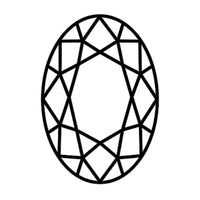
 Oval Cut
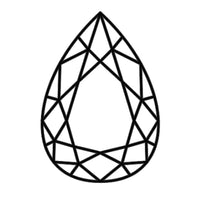 Pear Cut
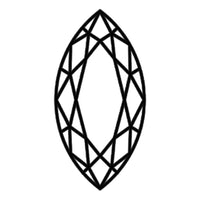 Marquise Cut
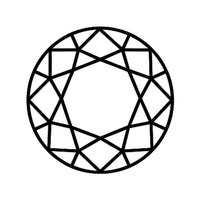 Round Cut
 Kite Cut
 Hexagon Cut
 Heart Cut
 Emerald Cut
 Conffin Cut


Straight vs Curved Wedding Band: How to Pick the One That Fits Your Ring Set Perfectly
If you’ve ever tried stacking a wedding band with your engagement ring, you’ve probably noticed something frustrating: not all bands play nicely together. Some sit perfectly flush, while others leave an awkward gap or feel like they’re fighting against your engagement ring’s shape.
That’s where the difference between a straight vs curved wedding band really matters. A straight band gives you timeless simplicity, while a curved band is designed to wrap around your engagement ring for a smoother, more connected look. Neither is better by default—what matters is which one matches your ring and your lifestyle.
In this guide, we’ll walk you through the key differences, when each style shines, and how to choose the wedding band that makes your ring set look and feel right.

What Is a Straight Wedding Band?
A straight wedding band is what most people picture when they think of a classic wedding ring. It has an even, uniform shape all the way around, with no curve, notch, or dip. This makes it one of the most versatile options on the market.
Straight bands are a favorite for people who:
-
Love clean, minimalist design
-
Want a ring that works beautifully on its own
-
Prefer a timeless look that won’t feel trendy in a few years
-
Need a band that can stack with multiple future rings
When your engagement ring has a low setting or a simple solitaire stone, a straight band often sits close enough to look seamless. Even if there’s a small gap, many people still love the balanced, symmetrical feel that straight bands bring to a stack.
Because they’re so versatile, straight bands are also a great choice if you think you might want to add more rings later. They pair well with almost any style, from delicate diamond bands to bold, textured designs.

If you love nature-inspired stones, a moss agate curved ring can make your set feel even more unique and organic.
What Is a Curved Wedding Band?
A curved wedding band (sometimes called a contour band or notched band) is shaped to follow the outline of your engagement ring. Instead of running in a straight line, it has a gentle curve, dip, or U-shaped cutout that helps it nestle closer to the center stone or setting.
You’ll often hear jewelers recommend curved bands when:
-
Your engagement ring has a high basket setting
-
The center stone is large or raised
-
The ring shape leaves a noticeable gap with a straight band
-
You want the two rings to look like they were designed together
Curved bands are popular because they create a more “custom” appearance. Instead of forcing two independent rings to work together, the curved shape is designed to complement the engagement ring’s silhouette. The result is a softer, more romantic stack that feels intentional and refined.
For many brides, this is the difference between a ring set that looks “good” and one that looks like it came from a designer catalog.

For lovers of nature-inspired jewelry, a moss agate wedding ring set with a curved band can create a soft, organic look that feels especially personal and meaningful.
Straight vs Curved Wedding Band: What’s the Real Difference?
The main difference between a straight and curved wedding band isn’t just visual—it’s functional.
A straight band is all about simplicity and symmetry. It’s a classic shape that works with many ring styles and is easy to wear on its own.
A curved band is all about fit and flow. It’s designed to solve a specific problem: how to make your wedding band sit closer to your engagement ring without leaving a visible gap.
Think of it this way:
-
Straight band = classic, flexible, everyday-friendly
-
Curved band = tailored, custom-looking, optimized for specific engagement rings
If your engagement ring is low-profile and simple, a straight band may be all you need. If your ring has height, complexity, or a setting that blocks a straight band from sitting flush, a curved band is usually the better solution.
When a Straight Band Is the Better Choice
A straight wedding band is often the smartest choice when you value flexibility and timelessness. Here are some situations where it shines:
-
You want a ring that looks great on its own. Straight bands are the most versatile when worn alone, without an engagement ring.
-
Your engagement ring is low-set. If the center stone sits close to the finger, a straight band can often sit flush or close enough.
-
You plan to stack more rings later. Straight bands are easier to mix with other bands in the future.
-
You prefer a clean, classic style. If minimalism and symmetry are your jam, a straight band feels effortlessly elegant.
Straight bands are also a great option if you’re not sure what your long-term ring style will be. They’re neutral enough to keep working as your taste evolves.
[products1]
When a Curved Band Makes More Sense
A curved wedding band is the better choice when your engagement ring demands a more tailored fit. You’ll often see curved bands recommended in these scenarios:
-
Your engagement ring has a high setting. This prevents a straight band from sitting flush.
-
The center stone is large or prominent. A curved shape can cradle the stone and make the set look more balanced.
-
You want the rings to feel like a set. Curved bands create a more “designed together” appearance.
-
You’ve noticed a big gap with straight bands. A curved band can significantly reduce or eliminate that space.
For many people, the curved band is the difference between a ring set that looks “okay” and one that looks perfectly coordinated.
[products2]
Which One Is More Comfortable for Daily Wear?
Comfort is about more than just metal and width—it’s about how the rings sit together on your finger.
A straight band often feels familiar and stable because of its even shape. It’s a safe choice if you want something that feels predictable and comfortable from day one.
A curved band, when matched to the right engagement ring, can feel even more natural. Because the two rings align better, they’re less likely to twist, press oddly, or catch on clothing.
The most comfortable setup is usually the one where the rings sit correctly without forcing them to fit. If the fit is awkward, even a beautiful band can become annoying over time.
Style: Classic vs Custom-Looking
If you’re drawn to elegance, simplicity, and a look that never goes out of style, a straight wedding band is the safer, more classic choice.
If you prefer a more romantic, tailored, or fashion-forward look, a curved band can give your ring set a softer, more refined feel.
Both styles can be stunning. The key is choosing the one that aligns with your aesthetic and how you want your rings to look when stacked.
How to Decide: A Simple Checklist
Use this quick checklist to guide your choice:
-
Does my engagement ring leave a gap with a straight band?
-
Yes → curved band is likely better
-
No → straight band may work
-
-
Do I want my rings to look like they were designed together?
-
Yes → curved band
-
No → straight band
-
-
Do I want a ring that works well on its own?
-
Yes → straight band
-
No → curved band is fine
-
-
Do I plan to stack more rings later?
-
Yes → straight band is more flexible
-
No → either works
-
Final Thoughts
There’s no single “best” choice between a straight vs curved wedding band. A straight band gives you timeless simplicity and maximum flexibility. A curved band gives you a more tailored fit and a more connected look with your engagement ring.
The right choice is the one that matches your ring’s shape, your daily life, and the style you love. If you want a classic band that works almost anywhere, go straight. If you want a custom-looking set with a closer fit, curved is often the smarter option.
FAQ
Can a straight wedding band sit flush with an engagement ring?
Yes, especially if the engagement ring is low-profile or has a simple setting.
Are curved wedding bands only for large stones?
No. They also work well with high settings, unusual shapes, or any design where a straight band leaves space.
Can I wear a curved band alone?
Yes, but it may feel more specialized than a straight band when worn by itself.
Which style is more popular?
Straight bands are the most classic and versatile. Curved bands are popular when people want a better fit with specific engagement rings.