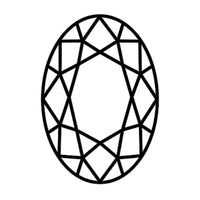
 Oval Cut
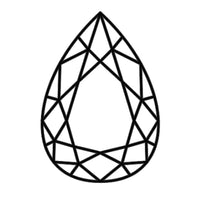 Pear Cut
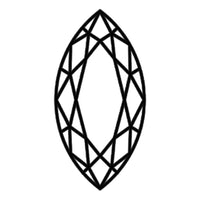 Marquise Cut
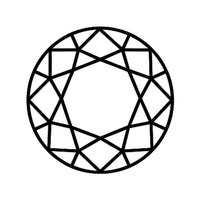 Round Cut
 Kite Cut
 Hexagon Cut
 Heart Cut
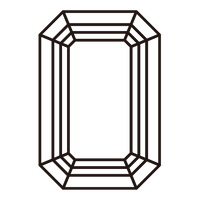 Emerald Cut
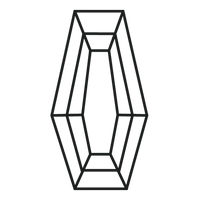 Conffin Cut


15 Purple Gemstones Compared: Color, Hardness & Value
Purple gemstones range from pale lavender amethyst to deep violet sapphire and swirling purple charoite. But color is only part of the choice: stones that look similar can differ greatly in scratch resistance, price, and the care they need.
This guide compares 15 purple gemstones by color, hardness, and value, explaining what makes each distinctive and how it suits different types of jewelry. Whether you’re choosing a stone for an everyday ring or an occasional pendant, you’ll find the key differences to help you balance appearance, practicality, and budget.
Purple Gemstone Names at a Glance
Use this table to compare typical colors and jewelry considerations. Individual stones vary, and a gemstone’s condition, treatments, and setting affect how well it wears.
| Purple gemstone | Typical appearance | Mohs hardness | Jewelry consideration |
|---|---|---|---|
| Amethyst | Light lavender to deep violet | 7 | Versatile; ring surfaces can show wear over time |
| Purple sapphire | Pale violet to saturated purple | 9 | Strong option for frequently worn rings |
| Purple spinel | Grayish violet, lavender, or richer purple | 8 | Durable choice for rings and other jewelry |
| Tanzanite | Violet-blue to blue-purple | 6–7 | Protect from knocks and sudden temperature changes |
| Iolite | Violet-blue, with different colors from different angles | 7–7.5 | Needs protection from impacts |
| Rhodolite garnet | Raspberry, plum, and reddish purple | About 7–7.5 | A warmer-colored option for jewelry |
| Kunzite | Pale pink-lilac to violetish purple | 6.5–7 | Protect from impacts, heat, and prolonged intense light |
| Lavender jadeite | Soft lavender, often translucent to opaque | 6.5–7 | Tough material, but treatment status matters |
| Purple tourmaline | Pinkish purple to violet | 7–7.5 | Check clarity and protect from hard knocks |
| Charoite | Swirling lilac and violet patterns | 5–6 | Often used in cabochons and pendants |
| Sugilite | Pinkish purple to rich violet | About 6–6.5 | Commonly polished as cabochons or beads |
| Purple fluorite | Transparent or translucent purple, sometimes banded | 4 | Delicate; better suited to protected uses or collecting |
| Alexandrite | Greenish to reddish purple under different lighting | 8.5 | Durable, but not consistently purple |
| Ametrine | Purple and yellow in the same stone | 7 | A two-color option rather than a solid purple gem |
| Purple diamond | Purple, often with modifying hues | 10 | Highly scratch-resistant, but can still chip |
Hardness measures resistance to scratching, not resistance to breaking. Toughness, cleavage, and stability also matter when choosing a stone for everyday jewelry.

15 Purple Gemstones and Their Characteristics
1. Amethyst
Amethyst is the purple variety of quartz, ranging from pale lavender to deep violet. Widely available and often affordable, it offers plenty of choice for earrings, pendants, and rings.
With a Mohs hardness of 7, it suits jewelry with care, although frequently worn rings can develop surface wear. It is a practical starting point for a classic purple gemstone.
2. Purple Sapphire
Purple sapphire ranges from soft lavender to saturated violet, sometimes with pink or blue undertones. Its Mohs hardness of 9 makes it a strong option for frequently worn rings.
Compare color under daylight and indoor lighting, and check treatment disclosure. Some sapphires exhibit color change, but not every purple sapphire has this feature.
3. Purple Spinel
Purple spinel comes in shades from muted gray-violet to richer purple. Its hardness of 8 makes it a durable choice for rings and other jewelry.
Look beyond color alone: a well-cut stone should appear lively when viewed face-up. Spinel is worth exploring if you want a purple gemstone beyond the familiar amethyst and sapphire.
4. Tanzanite
Tanzanite displays blue-violet to violet-blue colors, with different hues visible as the stone turns. It is routinely heat-treated to develop its characteristic appearance.
With a hardness of 6–7 and fair-to-poor toughness, it needs protection from knocks. Earrings, pendants, and carefully worn rings with protective settings are sensible choices.
5. Iolite
Iolite is a violet-blue gemstone with strong pleochroism, meaning its color changes with viewing direction. A rich blue-purple appearance may become much paler as the stone turns.
Cut and orientation strongly influence its appearance. Despite a hardness of 7–7.5, iolite has cleavage and needs protection from impacts, particularly in rings.
6. Rhodolite Garnet
Rhodolite is a purplish variety of pyrope-almandine garnet, often showing raspberry, wine, or reddish-purple tones. It offers a warmer alternative to blue-violet gemstones.
Compare stones in ordinary indoor lighting as well as brighter conditions. Look for a shade that retains the color and brightness you enjoy rather than appearing overly dark.
7. Kunzite
Kunzite ranges from pale pink-lilac to violetish purple, making it appealing for those who prefer softer colors.
Its cleavage makes it vulnerable to hard knocks, and prolonged exposure to heat or intense light can fade its color. Pendants and earrings are often more forgiving choices than exposed ring settings.
8. Lavender Jadeite
Lavender jadeite is appreciated for its soft purple color, smooth polish, and translucent to opaque appearance. It offers a quieter look than a sparkling faceted gemstone.
Its interlocking structure gives it excellent toughness, but treatment status matters. Ask whether the material has been dyed or impregnated, as these treatments can affect value and care.
9. Purple Tourmaline
Purple tourmaline can lean toward pinkish purple or cooler violet. Compare individual stones in neutral lighting, since the color name alone does not describe their exact appearance.
For rings, consider visible inclusions and the protection provided by the setting. Ask about treatments and choose a stone whose color appeals to you in everyday lighting.
10. Charoite
Charoite features swirling lilac and violet patterns, sometimes mixed with contrasting mineral inclusions. Smooth cabochon cuts highlight these patterns, making each piece visually distinctive.
With a hardness of 5–6, it needs protection from scratches. Pendants are a good way to enjoy its appearance with less exposure to everyday wear.
11. Sugilite
Sugilite is known for pink-purple to rich violet colors, often with darker areas or mineral patterns. It is commonly polished into cabochons and beads.
When comparing pieces, consider color, texture, and polish, along with any disclosed treatments or stabilization. Its appeal lies primarily in its rich color and smooth surface.
12. Purple Fluorite
Purple fluorite can be transparent or translucent, sometimes with striking bands of color. It is attractive in mineral collections and decorative pieces.
At just 4 on the Mohs scale, it scratches easily and is unsuitable for an exposed engagement-ring center stone. Jewelry use should prioritize protection and occasional, gentle wear.
13. Alexandrite
Alexandrite typically appears greener in daylight and reddish purple under incandescent lighting. It suits someone who enjoys a changing appearance rather than a consistently purple stone.
Its hardness of 8.5 makes it durable for jewelry. Before buying, request views under different light sources and confirm whether it is natural or laboratory-grown.
14. Ametrine
Ametrine combines purple amethyst and yellow-to-orange citrine colors within one quartz crystal. It offers a two-color appearance rather than a uniform purple.
The cut influences how clearly the colors divide or blend when viewed face-up. With a hardness of 7, ametrine suits various jewelry styles with appropriate care.
15. Purple Diamond
Purple diamonds with natural color are rare and may show modifying hues, such as pink. A laboratory report is especially important for confirming origin and color treatment in a significant purchase.
Diamond has exceptional scratch resistance but can still chip. Consider both the documentation and the setting’s protection when choosing a piece.
Light Purple, Dark Purple, and Blue-Purple Gemstones
Color names describe appearance rather than a single mineral. A “lavender gemstone” could be amethyst, sapphire, spinel, jadeite, or another material.
| Color you prefer | Stones to explore |
|---|---|
| Light purple or lavender | Pale amethyst, lavender sapphire, lavender spinel, lavender jadeite |
| Pinkish lilac | Kunzite, some sapphires and tourmalines |
| Deep violet or purple | Amethyst, purple sapphire, purple spinel, sugilite |
| Blue-purple | Tanzanite, iolite, some sapphires |
| Reddish purple | Rhodolite garnet, some spinels and tourmalines |
| Purple with visible patterns | Charoite, some fluorite specimens, ametrine for purple-yellow zoning |
These are starting points, not identification rules. Tone, lighting, cut, and camera settings can change how a stone appears.

Which Purple Gemstones Are Best for Rings?
For a frequently worn ring, purple sapphire and spinel are useful starting points because they combine strong scratch resistance with good jewelry durability. Alexandrite is another option if you prefer a changing appearance.
Amethyst offers purple color at a more accessible price, but it is more likely to develop surface wear than sapphire. Tanzanite and kunzite require greater protection from impacts.
Ask three questions before choosing:
- How often will I wear the ring? A daily engagement ring faces more wear than an occasional statement piece.
- How exposed is the stone? Raised settings and unprotected corners may be more vulnerable to knocks.
- What care does this specific gemstone need? Treatments, inclusions, and existing damage can change the answer.
A lower-profile or protective setting can reduce some risks, but it does not make a delicate stone indestructible.
What Do Purple Gemstones Mean?
Purple is often associated with dignity, imagination, and reflection. These ideas can make a purple stone a personal choice for a gift or a meaningful piece of jewelry.
There is no universal meaning shared by every purple gemstone. A wearer might choose lavender for its gentle appearance, deep violet for its intensity, or a changing stone to represent a life transition.
Such interpretations are personal or cultural, not scientifically established properties. A gemstone does not need a promised healing effect to be meaningful.
For a gift, a short explanation of why you chose the color or stone often carries more significance than a generic list of symbolic powers.
Natural, Treated, and Lab-Grown Purple Stones
Before buying, separate three questions:
- What material is it? A purple appearance does not establish whether a stone is quartz, sapphire, glass, or something else.
- How was it formed? Natural and laboratory-grown gemstones have different origins.
- Has it been treated? A natural stone can still have undergone heating, dyeing, coating, or another treatment.
Treatment does not automatically make a gemstone unsuitable, but it should be disclosed and considered when assessing price and care.
Be especially careful with broad descriptions such as “purple crystal,” “purple jade,” or “purple gemstone.” Ask for the actual material name. For significant purchases, independent laboratory identification can help clarify identity and detectable treatments.
How to Choose a Purple Gemstone
Choose a purple gemstone by balancing color, intended use, care requirements, and budget. A stone that suits an occasional pendant may not be the best choice for a ring you wear every day.
Start With Your Preferred Shade
Decide whether you prefer pale lavender, deep violet, blue-purple, or reddish purple. Compare individual stones rather than relying on the gemstone name alone: two sapphires or amethysts can look noticeably different.
Ask for photographs or videos in daylight and ordinary indoor lighting. This is especially useful when choosing online, where lighting and screen settings can affect the color you see.
Match the Stone to How You Will Wear It
For a frequently worn ring, consider purple sapphire or spinel as starting points. Amethyst offers another option if you are comfortable with more attention to surface wear.
For earrings or pendants, you can consider more delicate stones because they are generally less exposed to knocks. Always check the care needs of the specific gemstone and its setting.
Compare More Than Size
A larger stone is not automatically a better choice. Look for a color you enjoy, an attractive face-up appearance, and a cut that shows the stone well.
When comparing prices, check whether the gems are natural or laboratory-grown and whether treatments have been disclosed. Compare similar materials before deciding which offers better value for your budget.
Choose a Setting That Complements the Stone
Consider both appearance and protection. White metals create a different contrast with purple than yellow or rose gold, while the setting’s height and coverage affect how exposed the gemstone will be.
For rings, ask the jeweler how the design protects vulnerable edges and whether it suits your normal activities.
Looking for more ring inspiration? Explore Iver Jewelry’s gemstone and nature-inspired engagement rings to discover different colors, shapes, and settings that suit your style.
Frequently Asked Questions About Purple Gemstones
What is a purple gemstone called?
Amethyst is a familiar purple gemstone, but there is no single name for every purple stone. Sapphire, spinel, tanzanite, iolite, and several other materials can also show purple or violet colors.
Is every purple crystal amethyst?
No. Purple crystals may be fluorite, sapphire, or other minerals. Color and crystal appearance can offer clues, but they do not establish identity on their own.
What gemstone is light purple?
Pale amethyst, lavender sapphire, some spinels, and lavender jadeite can all appear light purple. Kunzite is another possibility when the color leans toward pink-lilac.
What is the difference between purple precious and semi-precious stones?
Traditional jewelry terminology groups diamond and sapphire among “precious” stones, while gems such as amethyst are often called “semi-precious.” These labels are not quality grades and do not reliably establish price, beauty, or suitability for a ring.
Can you identify a purple gemstone from a picture?
A photograph can help narrow the possibilities, especially when a stone has a distinctive pattern. It cannot reliably confirm gemstone identity, natural or laboratory-grown origin, or many treatments. Similar-looking stones may require gemological testing.
Which purple stone changes color?
Alexandrite can change from a greener appearance in daylight to reddish purple under incandescent light. Some sapphires also display color change. A stone looking slightly different in a photograph does not, by itself, prove that it is a color-change gemstone.
Choosing a Purple Gemstone You Will Enjoy Wearing
Start with the appearance you like: pale lavender, deep violet, blue-purple, or a patterned stone. Then narrow the choice by how you plan to wear it, the care it needs, and your budget.
If you are also exploring styles for a proposal, browse Iver Jewelry’s engagement rings for design inspiration. Consider the setting and overall shape alongside your gemstone preferences when deciding what feels right for you.