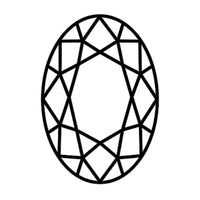
 Oval Cut
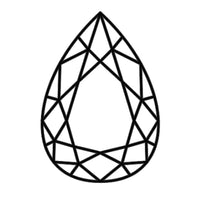 Pear Cut
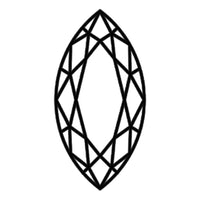 Marquise Cut
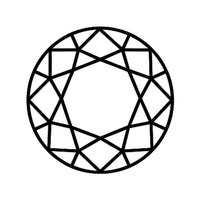 Round Cut
 Kite Cut
 Hexagon Cut
 Heart Cut
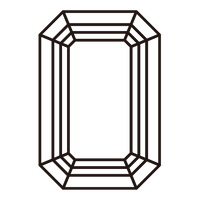 Emerald Cut
 Conffin Cut


Natural Opal vs. Lab-Grown Opal: Which One Is Right for You?
Opals are known for their shifting play-of-color, a unique optical effect that changes with every movement of light. This natural beauty is what makes them one of the most captivating gemstones in jewelry.
When choosing an opal today, one of the key decisions is whether to go for a natural opal or a lab-grown opal. While both can look equally striking, they differ in origin, rarity, value, and how they perform in everyday wear.
Understanding these differences can help you choose the opal that best fits your style, budget, and how you plan to wear it.

Natural Opal: Earth-Formed Beauty
Natural opal forms over millions of years as silica-rich water slowly deposits within rock cavities. As the silica spheres settle and arrange, they create the natural play-of-color that opal is known for.
Most natural opals come from Australia, Ethiopia, and Mexico. Each stone is unique, with organic patterns and natural variations that cannot be replicated.
Because of its water content and natural formation, every natural opal carries slight internal differences, making each piece one of a kind.
Lab-Grown Opal: Controlled Consistency
Lab-grown opal is created in a controlled environment that replicates the structure of natural opal. The result is a stone with similar optical effects but more consistent color and pattern.
These stones are usually cleaner in appearance and more uniform in brightness. They are also more widely available and generally more affordable than natural opals.
Compared to natural opal, lab-grown versions are designed for consistency rather than rarity.
How to Tell Natural Opal from Lab-Grown Opal
At first glance, natural and lab-grown opals can look very similar, especially once set in jewelry. However, a closer look reveals a few key differences.
-
Color movement (most important clue)
Natural opals show organic, irregular flashes of color. The play-of-color feels fluid and unpredictable, shifting differently with every angle, almost like light moving through water. -
Pattern structure
Lab-grown opals tend to display more repetitive and structured patterns. Under magnification, you may notice “snakeskin” or “chicken wire” effects, where the color breaks into more uniform, repeating segments. -
Side view structure
Natural opals usually appear more uneven and naturally scattered inside. Lab-grown opals may show more layered or column-like internal formations due to the controlled growth process. -
Overall appearance
If an opal looks extremely perfect, overly uniform, and visually identical from every angle, it is more likely to be lab-created.
Natural and Lab-Grown Opal Price and Value Difference
The price gap between natural and lab-grown opal is significant and often one of the deciding factors for buyers.
Lab-grown opals are highly affordable, often priced at just a few dollars per carat. Even large, vibrant stones remain accessible, making them popular in everyday fashion jewelry.
Natural opals vary widely depending on origin and quality:
- Common opal: relatively affordable
- Ethiopian or crystal opal: mid-range
- Australian black opal: high-end and rare collector-grade
High-quality natural opals can reach hundreds or even thousands of dollars per carat, especially when color intensity, pattern, and rarity align.
Because of this scarcity, natural opals generally hold stronger long-term value, while lab-grown opals are primarily valued for design and wearability rather than investment.
Learn more in our guide on How Much Is Opal? and what affects its value.
Natural and Lab-Grown Opal Durability
Opal is a relatively soft gemstone regardless of origin, ranking around 5.5–6.5 on the Mohs hardness scale. This makes it more delicate compared to stones like sapphire or diamond.
Natural opals are especially sensitive because of their water content. They can react to heat, dryness, and rapid temperature changes, and in some cases may develop fine internal cracks over time if not properly cared for.
Lab-grown opals are often more stable due to resin stabilization, making them more resistant to cracking and better suited for daily wear, especially in rings or frequently used jewelry.
In general:
- Natural opal → better for occasional wear or protective settings
- Lab-grown opal → better for everyday jewelry
How Natural and Lab-Grown Opal Are Used in Jewelry
Natural and lab-grown opals are often used in similar types of jewelry, but their applications can differ slightly based on durability, value, and design preference.
Natural opal is more commonly seen in fine or heirloom-style pieces, especially in opal rings and pendants where the stone is treated as a focal gemstone. Because of its rarity and sensitivity, it is often set in more protective designs and worn with care.
Lab-grown opal, on the other hand, is widely used in everyday jewelry. It is frequently chosen for opal rings, opal necklaces, and earrings where designers want stronger color consistency and better durability for regular wear.
[products1]
In both cases, opal jewelry highlights the same visual effect—play-of-color. If you’d like to explore more designs, you can view our opal rings collection.
How to Care for Opal Jewelry
Opals need gentle handling regardless of origin.
To keep them in good condition:
- Avoid heat, dryness, and sudden temperature changes
- Keep away from perfumes, chemicals, and cleaning agents
- Clean only with a soft cloth and mild water
- Avoid ultrasonic or steam cleaners
- Store separately from harder gemstones to prevent scratches
For natural opals, occasional wearing can actually help maintain balance, while overly dry storage should be avoided.
Which Opal Should You Choose?
The choice between natural and lab-grown opal ultimately depends on your intention.
If you value rarity, uniqueness, and the natural story behind a gemstone formed over millions of years, natural opal offers unmatched character and emotional depth. It is often chosen for heirloom jewelry, meaningful gifts, or collector pieces.
If you prefer affordability, durability, and vibrant consistency for everyday wear, lab-grown opal is a practical and beautiful option. It allows you to enjoy the visual magic of opal without the higher cost or maintenance concerns.
Explore Opal Jewelry at Iver Jewelry
If you’re drawn to the unique beauty of opal, you can explore our curated selection of opal rings and jewelry pieces designed to highlight both natural and lab-grown stones. Each piece is crafted to bring out the stone’s play-of-color in a wearable, modern way.
FAQ: Natural Opal vs Lab-Grown Opal
1. What is the difference between natural opal and lab-grown opal?
Natural opal forms over millions of years through geological processes, while lab-grown opal is created in a controlled environment. Both share similar visual effects, but they differ in origin, rarity, and value.
2. Is lab-grown opal real opal?
Yes. Lab-grown opal is chemically and structurally the same type of gemstone as natural opal. The main difference is that it is created in a laboratory rather than formed in nature.
3. Which is more valuable: natural or lab-grown opal?
Natural opal is generally more valuable due to its rarity and unique formation process. Lab-grown opal is more affordable and widely available, making it popular for everyday jewelry.
4. Can you tell natural opal from lab-grown opal easily?
Not always. Some differences can be seen in color patterns and internal structure, but in many cases, professional tools or gem certification are needed for accurate identification.
5. Which opal is better for daily wear?
Lab-grown opal is usually more durable and stable, making it a better choice for daily wear jewelry such as rings. Natural opal is more delicate and often recommended for occasional wear.
6. Do natural and lab-grown opals look different?
They can look very similar at first glance. However, natural opals often show more irregular, organic patterns, while lab-grown opals tend to have more uniform and structured color patterns.