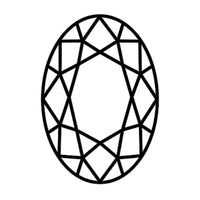
 Oval Cut
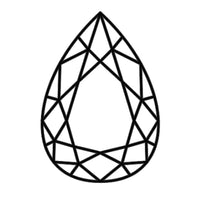 Pear Cut
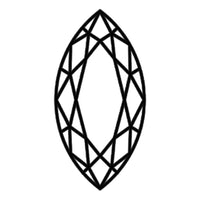 Marquise Cut
 Round Cut
 Kite Cut
 Hexagon Cut
 Heart Cut
 Emerald Cut
 Conffin Cut


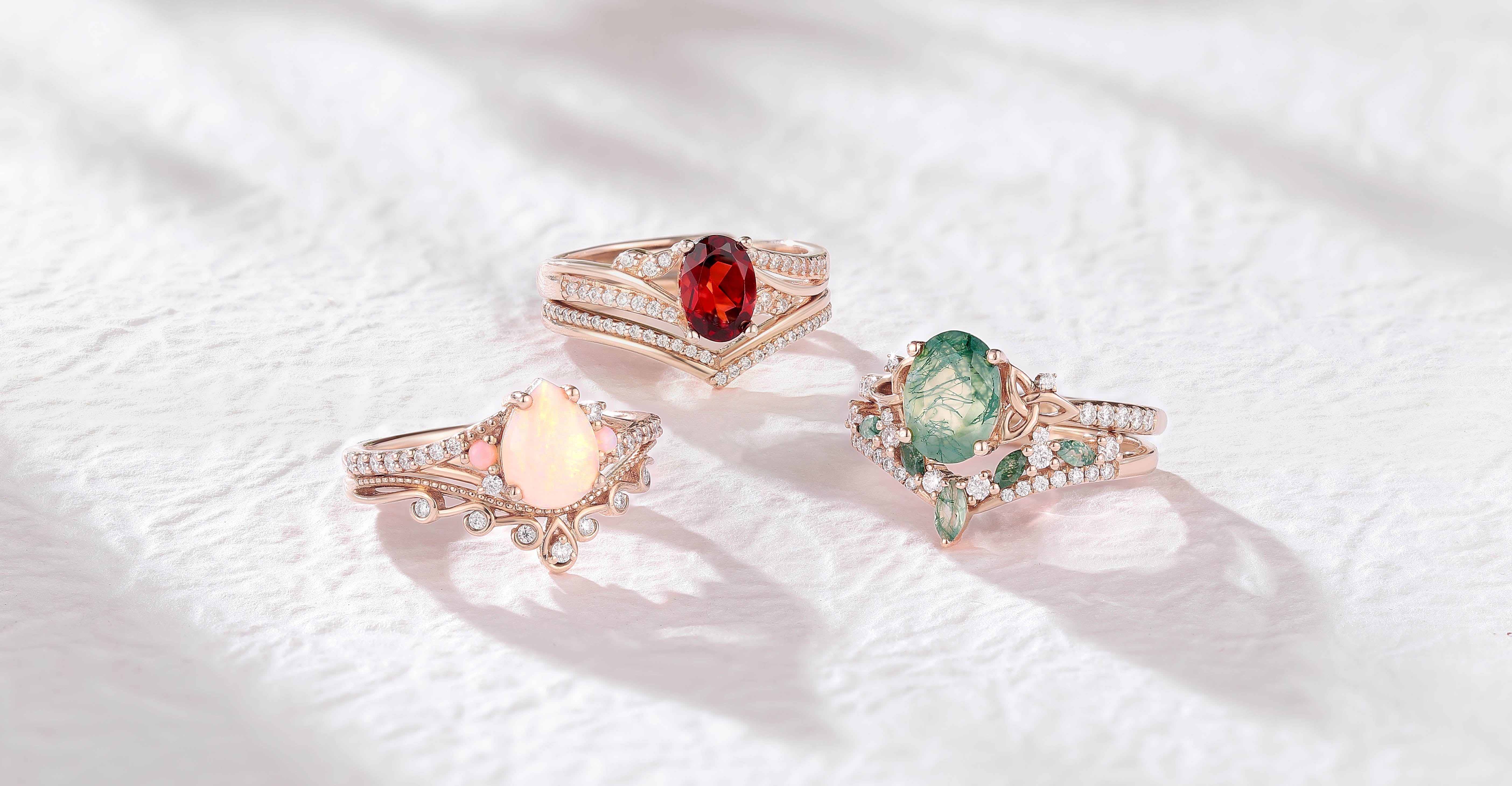

Moss Agate: Durability, Fading Concerns, and Care for Lasting Beauty
Moss agate is prized for its translucent base and organic green inclusions that resemble miniature forests or underwater landscapes. As a variety of chalcedony (microcrystalline quartz), it offers a natural, earthy alternative to traditional gemstones, making it especially popular in engagement rings and everyday jewelry.
As its popularity grows, practical questions arise regarding its performance and longevity.
Key points:
Will Moss agate fade?
Does sunlight affect color stability?
Is it durable enough for everyday wear?
What factors might damage it?
Below, we examine its composition, durability, and care requirements to provide a clear, logical understanding of what to expect from this nature-inspired gemstone.

Moss agate engagement rings are loved for their natural patterns and unique symbolism. Browse our Moss Agate ring collection to explore different designs.
Understanding Moss Agate's Composition and Stability
Moss agate is not a banded agate in the traditional sense, but a translucent chalcedony containing dendritic mineral inclusions. These inclusions are typically chlorite, hornblende, iron oxides, or manganese—naturally occurring minerals that formed inside the stone millions of years ago.
This internal structure explains much about its durability:
-
Color Source Is Natural – The green “moss” patterns are mineral inclusions, not dyes or surface coatings.
-
Patterns Are Embedded – The inclusions run through the body of the stone, meaning they cannot rub off or peel away.
-
Chemically Stable Minerals – The inclusions are inorganic and generally resistant to environmental degradation.
On the Mohs hardness scale, moss agate ranks 6.5–7, placing it alongside many commonly worn gemstones. This gives it good scratch resistance for daily life, though it can still be scratched by harder materials such as quartz particles or diamonds.
In terms of toughness, moss agate is moderately durable but somewhat brittle. It resists minor wear well, but strong impacts can cause chips or fractures, especially along thin edges.
Overall, its mineral composition gives it strong color stability and structural integrity under normal conditions.
Does Moss Agate Fade? Addressing the Core Concern
One of the most common questions about moss agate is whether it fades over time. The short answer is that genuine, natural moss agate is highly resistant to fading under normal conditions. Its colors and patterns are derived from stable mineral inclusions rather than pigments that degrade. Unlike dyed stones, where artificial colors can leach or diminish, moss agate's "mossy" features are embedded deep within the crystal lattice, making them enduring.
That said, no gemstone is entirely immune to environmental factors. Prolonged exposure to intense conditions could subtly affect its vibrancy, but this is rare and typically minimal. For instance, surface wear from dirt, oils, or abrasives might dull the polish over decades, but this isn't true fading—it's more akin to patina on metal. Regular cleaning can restore its shine, preserving the original look. Experts emphasize that moss agate does not undergo the kind of color shift seen in heat-treated or irradiated gems, where changes are intentional or accidental.

The Impact of Sunlight on Agate and Moss Agate
Natural agate varieties, including moss agate, are generally stable under normal sunlight exposure because their coloration comes from inorganic mineral inclusions rather than organic pigments. These minerals do not easily degrade under UV radiation. Wearing a moss agate ring outdoors or exposing it to everyday light will not cause fading. Most owners report no visible change even after years of regular use.
That said, extremely prolonged and intense UV exposure—such as leaving the stone in direct sunlight for months on a windowsill—may, in rare cases, slightly reduce vibrancy. This is far more common in dyed agates, where artificial color can bleach, than in untreated moss agate. As a precaution consistent with general gemstone care, it is advisable to avoid unnecessary long-term exposure to strong sunlight. Under realistic conditions, moss agate remains significantly more light-stable than UV-sensitive stones like rose quartz or fluorite.
Will Moss Agate Rings Last? Evaluating Durability for Everyday Use
With a Mohs hardness of 6.5–7, moss agate is suitable for daily wear and compares well to many gemstones traditionally used in rings. While it is not as hard as diamond, it offers solid resistance to ordinary abrasion and maintains structural integrity when worn with reasonable care.
Key durability considerations include:
-
Scratch Resistance: Withstands normal daily contact but can be scratched by harder materials such as quartz or diamonds.
-
Impact Sensitivity: Moderately tough yet somewhat brittle; strong impacts may cause chips or fractures.
-
Protective Settings: Bezel or halo settings help shield edges and improve long-term resilience.
-
Lifestyle Factors: Frequent high-impact activities increase the risk of damage.
For those who prioritize uniqueness, organic beauty, and affordability over extreme hardness, moss agate remains a durable and practical choice. In addition to understanding moss agate durability and care, you can also explore its deeper meaning and symbolism in our guide Unlocking the Magic of Moss Agate: Benefits, Spiritual Uses, and More.

Browse Moss Agate engagement rings
What Can Damage Moss Agate? Identifying Risks
Although moss agate is relatively durable, certain environmental and mechanical factors can compromise its appearance or structure if proper care is not taken. Understanding these risks helps prevent long-term damage and preserves the stone’s natural beauty.
Main Risk Factors
-
Harsh chemicals – Bleach, chlorine, perfumes, and household cleaners can dull or etch the surface.
-
Strong impacts – Hard knocks may chip edges, especially in raised settings.
-
Abrasion – Contact with harder gemstones or quartz particles can cause scratches.
-
Sudden temperature changes – Extreme heat shifts may lead to internal stress cracks.
-
Ultrasonic cleaners – Vibrations can worsen internal flaws.
Care Tips to Ensure Longevity
To maximize moss agate's lifespan, follow simple care routines. Clean with mild soap and warm water using a soft brush, then pat dry. Store in a cool, dark place away from other jewelry. For rings, remove during heavy chores or exercise. Professional inspections every few years can catch issues early. With these practices, your moss agate will maintain its allure indefinitely.
Best Settings for Moss Agate Rings
Because moss agate is moderately hard but somewhat brittle, choosing the right setting plays a crucial role in protecting the stone and extending its lifespan. While its Mohs hardness of 6.5–7 provides good resistance to everyday scratches, moss agate can still be vulnerable to strong impacts, especially along thin edges or corners. For this reason, protective settings are highly recommended.
Bezel settings are one of the best choices for moss agate rings. In a bezel setting, the metal surrounds the stone’s perimeter, securing it firmly in place. This design significantly reduces the risk of chipping and provides excellent protection during daily activities. It is especially suitable for engagement rings intended for long-term wear.
Halo settings are another popular option. The surrounding smaller stones not only enhance brilliance but also create an added layer of protection around the center stone. This can help cushion minor impacts while giving the ring a more luxurious appearance.

Low-profile or flush designs are also ideal for individuals with active lifestyles. Rings that sit closer to the finger are less likely to catch on clothing or objects, reducing the chance of accidental damage. These designs balance comfort, durability, and style.
For maximum longevity, it is generally advisable to avoid highly exposed prong settings unless the prongs are well-structured and regularly inspected. With the right setting choice, moss agate can remain secure, beautiful, and suitable for everyday wear for many years.
Conclusion
In summary, moss agate is a durable and naturally fade-resistant gemstone that performs well in everyday jewelry when protected from harsh chemicals, strong impacts, and prolonged extreme exposure.
More and more couples are choosing moss agate as a unique and meaningful alternative to traditional diamond engagement and wedding rings. If you love moss agate, you may also like our Kite Cut Moss Agate Necklace.
Frequently Asked Questions About Moss Agate
1. How can you tell if moss agate is real?
Genuine moss agate has natural, irregular green dendritic patterns that look organic and slightly random. Unlike dyed stones, the inclusions appear embedded within the stone rather than painted on the surface. Purchasing from a reputable jeweler is the best way to ensure authenticity.
2. Is moss agate a natural stone or man-made?
Moss agate is a natural gemstone formed from chalcedony with mineral inclusions. It is not synthetic, although some stones on the market may be dyed or treated to enhance color.
3. What jewelry styles work best with moss agate?
Moss agate is especially popular in engagement rings, wedding bands, pendants, and nature-inspired designs. Cabochon cuts and protective settings are commonly used to highlight its internal patterns.
4. Does moss agate require special cleaning products?
No special products are needed. Gentle cleaning with mild soap and warm water is sufficient. Avoid strong commercial jewelry cleaners unless they are confirmed safe for porous or natural stones.
5. Why is moss agate popular for engagement rings?
Moss agate is chosen for its unique patterns, symbolic connection to nature, and distinctive appearance. It offers a meaningful alternative for couples who prefer something different from traditional center stones.