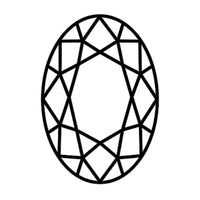
 Oval Cut
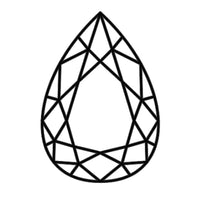 Pear Cut
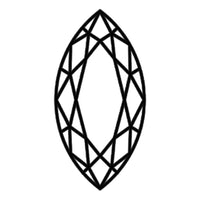 Marquise Cut
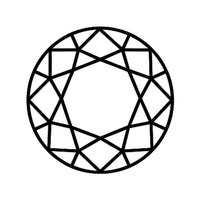 Round Cut
 Kite Cut
 Hexagon Cut
 Heart Cut
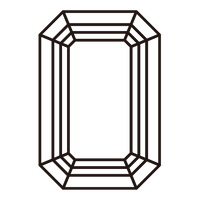 Emerald Cut
 Conffin Cut


Lab-Grown Sapphire vs Natural Sapphire: What’s the Real Difference?
When choosing a sapphire for an engagement ring or fine jewelry, many buyers quickly run into one key question: Are lab-created sapphires as good as natural sapphires?
The short answer is: both are real sapphires, but they differ in origin, rarity, price, and emotional value. Understanding these differences helps you choose the one that truly fits your expectations, budget, and purpose.
Below is a clear comparison to help you make an informed decision.
[products1]
Quick Comparison Table: Lab-Grown Sapphire vs Natural Sapphire
| Feature | Lab-Grown Sapphire | Natural Sapphire |
|---|---|---|
| Origin | Created in controlled laboratory conditions | Formed naturally in the earth over millions of years |
| Chemical Composition | Identical (Al₂O₃ - corundum) | Identical (Al₂O₃ - corundum) |
| Appearance | Visually identical, often cleaner | May contain inclusions or color variations |
| Price | More affordable | Higher due to rarity |
| Environmental Impact | Generally lower mining impact | Mining can affect environment |
| Rarity | Not rare | Rare and limited supply |
| Value Perception | More technical value | Higher emotional & collectible value |
| Durability | Mohs hardness 9 (same) | Mohs hardness 9 (same) |

What Is a Lab-Grown Sapphire?
A lab-grown sapphire is not a fake stone or imitation—it is a real sapphire grown in a laboratory using advanced technology that replicates natural formation conditions.
Chemically and physically, it is identical to a natural sapphire. This means it has the same:
- Hardness
- Chemical structure
- Optical brilliance
The key difference is simply where it forms: earth vs. lab.
What Is a Natural Sapphire?
A natural sapphire forms deep within the Earth over millions of years under extreme heat and pressure. Trace elements like iron and titanium create its iconic blue color.
Because of its natural formation process, every stone is unique. Slight inclusions, color zoning, or variations are often seen as part of its character and authenticity.
Key Differences That Actually Matter to Buyers
1. Origin Difference: Natural Formation vs Scientific Growth
At a chemical level, there is no difference at all between lab-grown and natural sapphire.
Both are:
- Made of corundum (Al₂O₃)
- Rated 9 on the Mohs hardness scale
- Structurally identical under most gem testing
The real difference is how they form:
- Natural sapphires develop under extreme geological pressure over millions of years.
- Lab-grown sapphires are created in weeks using controlled conditions that replicate the same process.
👉 Key takeaway:
You are not choosing between “real vs fake”—you are choosing between nature-made vs science-made.
Browse our Lab-Grown Sapphire engagement rings

2. Visual Appearance: Can You Actually Tell the Difference?
In most cases, the answer is no—you cannot reliably tell them apart with the naked eye. Both lab-grown and natural sapphires share the same chemical structure and can look equally stunning when set in jewelry.
However, when you look more closely, the differences appear in a few key visual aspects:
Clarity
Lab-Grown Sapphire
- Typically very high clarity (eye-clean or near eye-clean)
- Few to no visible inclusions
- Internal structure appears “cleaner” under light
Natural Sapphire
- Often contains natural inclusions (tiny crystals, silk, or mineral traces)
- Some inclusions may be visible under magnification or even to the naked eye in lower grades
- These features are considered proof of natural formation
Color Distribution
Lab-Grown Sapphire
- Highly consistent color throughout the stone
- Minimal or no color zoning
- Color often appears very uniform from every angle
Natural Sapphire
- May show color zoning (areas of slightly different tone or saturation)
- Color can shift subtly depending on lighting and angle
- Some stones show uneven saturation due to natural formation conditions
3. Durability: No Real Winner Here
Both types are equally durable.
- Hardness: 9/10 (same level as ruby)
- Suitable for daily wear rings
- Scratch-resistant and long-lasting
👉 Key insight:
Durability should not be a deciding factor. Both are equally strong for everyday jewelry.
4. Value & Resale: Where the Real Gap Appears
When it comes to engagement rings, the price difference between lab-grown sapphire and natural sapphire is very noticeable—but the reason behind it is value logic, not appearance.
From real market listings, lab-grown sapphire engagement rings are typically priced in the hundreds to low thousands, while natural sapphire rings are more commonly in the mid to high thousands depending on quality and origin.
💍 Engagement Ring Price Comparison
| Type | Typical Price Range | Real Market Examples | Value Characteristic |
|---|---|---|---|
| Lab-Grown Sapphire Ring | ~$300 – $3,500 |
3 CT Lab Grown Sapphire Ring (~$300 range) Effy Lab Grown Sapphire Halo Ring (~$2,000+) |
Affordable, design-focused |
| Natural Sapphire Ring | ~$2,000 – $10,000+ |
Natural Sapphire Halo Engagement Ring (~$2,500) Vintage Natural Sapphire Ring (~$9,000+) |
Rarity-driven, higher long-term value |

5. Emotional & Symbolic Meaning
This is often overlooked but very important in jewelry decisions.
Natural Sapphire
- Symbol of Earth’s history
- Feels more “one-of-a-kind”
- Often chosen for tradition and heritage
Lab-Grown Sapphire
- Symbol of modern innovation
- Ethical and technology-driven choice
- Appeals to sustainability-focused buyers
👉 Insight:
The meaning is not in the stone itself—but in what it represents to the wearer.
Final Answer: Are Lab-Created Sapphires as Good as Natural Sapphires?
The honest answer is: it depends on what you value most.
If you’re focused on appearance, durability, and price, lab-grown sapphires perform just as well—sometimes even better. They offer excellent clarity, consistent color, and a more accessible price point, making them a very practical choice for everyday jewelry and engagement rings.
If your priority is rarity, natural origin, and long-term value, natural sapphires stand out. Their formation over millions of years, limited supply, and unique internal characteristics give them a sense of exclusivity that lab-grown stones cannot replicate.
👉 For engagement rings specifically, this difference becomes even more practical:
lab-grown sapphires are ideal if you want a larger, cleaner center stone within budget, while natural sapphires are often chosen for their symbolism, uniqueness, and heirloom appeal.

Simple Buying Guide
To make the decision easier, think about what matters most to you:
Choose a Lab-Grown Sapphire if you want:
- A larger or higher-clarity stone within your budget
- A clean, consistent, and “perfect” appearance
- A modern, more accessible alternative to mined gemstones
Choose a Natural Sapphire if you want:
- A gemstone formed by nature with a unique story
- Stronger long-term value and heirloom potential
- Subtle variations that make each stone one of a kind