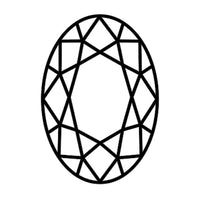
 Oval Cut
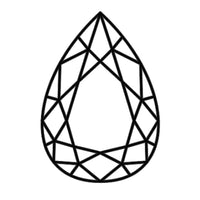 Pear Cut
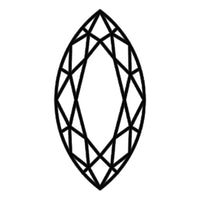 Marquise Cut
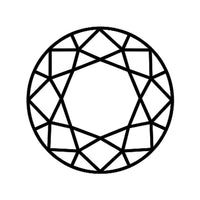 Round Cut
 Kite Cut
 Hexagon Cut
 Heart Cut
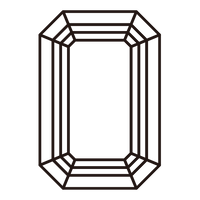 Emerald Cut
 Conffin Cut


How to Wear a Pear-Shaped Engagement Ring: Direction & Styling
A pear-shaped engagement ring can be worn with its pointed tip facing either your fingertip or your wrist. The traditional orientation places the point toward the fingertip, creating an elongated silhouette along the finger. However, turning the ring around offers a different look and can change how it pairs with a wedding band.
If you are wondering how to wear a pear-shaped engagement ring, the direction is only one part of the decision. The shape of the center stone, the ring setting, and the wedding band you plan to wear alongside it can all influence the arrangement.
This guide explains the traditional way to wear a pear-shaped ring, the difference between pointing it up or down, and how to choose a wedding band that complements its distinctive teardrop shape.

Which Way Should a Pear-Shaped Engagement Ring Point?
A pear-shaped engagement ring is traditionally worn with the pointed end facing your fingertip and the rounded end toward your wrist. This is the most familiar orientation for pear-shaped engagement rings.
There are two common ways to position the center stone:
-
Point toward your fingertip: The narrow tip faces your nail, while the rounded end sits closer to the base of your finger.
-
Point toward your wrist: The rounded end faces your fingertip, while the pointed tip faces your wrist.
Both orientations create a recognizable pear-shaped silhouette, but the visual balance changes when you turn the ring around.
Pointing Toward Your Fingertip
Wearing a pear-shaped ring with the point facing your fingertip follows the traditional orientation. The tapered end draws the eye along the length of the finger, while the wider rounded end provides a balanced base.
Many people prefer this arrangement because the elongated shape can make the finger appear longer and more slender. It also gives the ring the familiar teardrop appearance commonly seen in engagement ring designs.
If you are choosing your first pear-shaped engagement ring and are unsure which direction to wear it, this is a natural starting point.
Pointing Toward Your Wrist
Turning the pear-shaped ring around places the rounded end toward your fingertip and the pointed tip toward your wrist.
This reversed orientation creates a different visual effect. The wider part of the gemstone becomes more prominent toward the top of the finger, while the tapered end points inward.
Some wearers prefer this arrangement because they like seeing the rounded part of the gemstone when looking down at their hand. Others associate the inward-facing point with a personal meaning related to love and the heart.
There is no requirement to follow the traditional direction. If you prefer the reversed appearance, you can wear your pear-shaped engagement ring this way.
What Does the Direction of a Pear-Shaped Ring Mean?
The direction of a pear-shaped engagement ring can carry personal symbolism, although neither orientation has a universally established meaning.
A common interpretation associates the pointed tip facing the wrist with the idea of pointing toward the heart. For some couples, this represents keeping love and commitment close.
The traditional point-toward-the-fingertip orientation is also appreciated for its elongated appearance and familiar engagement ring styling.
These interpretations are personal rather than fixed rules. The meaning of an engagement ring comes from the relationship and the people wearing it, not simply from the direction of its center stone.
How to Wear a Pear-Shaped Engagement Ring With a Wedding Band
The right wedding band can complement the tapered shape of a pear-shaped engagement ring. Straight, curved, and chevron bands each create a different look, depending on the ring setting and how closely you want the two rings to fit together.
Pear-Shaped Engagement Ring With a Straight Wedding Band
A straight wedding band creates a clean, minimal look alongside a pear-shaped engagement ring. However, the center stone or setting may leave a small gap between the two rings. Check the setting height if you prefer a closer fit.
Pear-Shaped Engagement Ring With a Curved Wedding Band
A curved wedding band follows the outline of the engagement ring, creating a more fitted appearance. It is a good option when a straight band does not sit comfortably against the pear-shaped setting.
Pear-Shaped Engagement Ring With a Chevron Wedding Band
A chevron wedding band features a V-shaped design that complements the pointed tip of a pear-shaped gemstone. Its angled profile adds definition to the ring stack and can frame the center stone.
Iver Jewelry offers a range of wedding band styles that can be paired with pear-shaped engagement rings, from simple straight bands to curved and chevron designs.
Can You Wear a Pear-Shaped Engagement Ring With Other Rings?
Yes. A pear-shaped engagement ring can also be worn with stacking rings or additional bands to create a more personalized combination.
The key is to balance the size and shape of the surrounding rings with the center stone.
With a Thin Stacking Ring: A slim band adds another layer without taking attention away from the pear-shaped gemstone. Plain metal bands are a simple choice, while delicate gemstone accents can introduce subtle color.
With a Diamond Wedding Band: Small round diamonds or pavé details provide additional sparkle while keeping the pear-shaped center stone as the main feature.
With a Leaf or Nature-Inspired Band: Botanical details create a softer look alongside the tapered shape of a pear-shaped gemstone. Leaf and vine designs are particularly suitable for rings with organic or nature-inspired settings.
Explore different pear-shaped ring from Iver Jewelry to see how stacking rings, gemstone bands, and nature-inspired designs can be paired with a pear-shaped engagement ring.
How to Choose the Right Pear-Shaped Ring Orientation
If you are still deciding whether to wear your pear-shaped engagement ring point up or down, compare both directions before settling on one.
Consider these four factors:
-
Finger Appearance: Try the point-toward-fingertip orientation if you prefer an elongated silhouette. Turn the ring around if you like the rounded end facing outward.
-
Personal Meaning: Consider whether you prefer the traditional appearance or the personal symbolism sometimes associated with an inward-facing point.
-
Wedding Band Compatibility: If you plan to wear a fitted or curved wedding band, choose the direction before having the band designed.
-
Comfort and Setting: Check that the ring sits securely and does not press against neighboring fingers or other rings.
You can also change the direction depending on how you wear the ring. If the setting is symmetrical and allows both positions, there is no need to treat one orientation as a permanent choice.
Frequently Asked Questions
Which way should a pear-shaped engagement ring point?
Traditionally, the pointed tip faces your fingertip, with the rounded end toward your wrist. This orientation follows the elongated shape of the gemstone and is a common choice for pear-shaped engagement rings.
Should a pear-shaped ring point up or down?
A pear-shaped ring can point toward either your fingertip or wrist. The terms up and down can be confusing depending on the viewing angle, so describing the direction in relation to your hand is clearer.
Can you wear a pear-shaped engagement ring upside down?
Yes. Turning the pointed tip toward your wrist is a personal styling choice, not an incorrect way to wear the ring. Choose the direction that suits your preferred appearance and ring combination.
What wedding band goes best with a pear-shaped engagement ring?
Straight, curved, and chevron wedding bands are all suitable options. A straight band offers a simple look, a curved band can follow the engagement ring's outline, and a chevron band complements the pointed shape of the center stone.
Does a pear-shaped engagement ring look good with a straight band?
Yes. A straight wedding band creates a clean, understated combination. Whether the two rings sit flush depends on the height and structure of the engagement ring setting.
Can you wear a pear-shaped engagement ring every day?
Yes, provided the ring has a secure setting and is maintained properly. The pointed tip is a delicate part of a pear-shaped gemstone, so protective prongs and regular setting inspections are important for everyday wear.