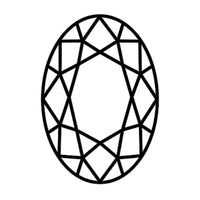
 Oval Cut
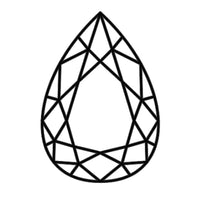 Pear Cut
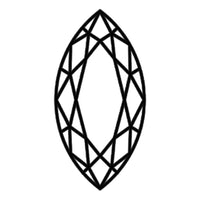 Marquise Cut
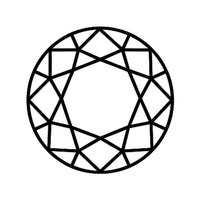 Round Cut
 Kite Cut
 Hexagon Cut
 Heart Cut
 Emerald Cut
 Conffin Cut


How to Tell Fake Moss Agate? No Two Pieces Are Exactly Alike
If you are wondering how to tell fake moss agate, you are not alone. Moss agate has become very popular for rings, pendants, and nature-inspired jewelry, which means more imitations and treated stones are appearing in the market. The good news is that most fakes share common traits, and once you know what to look for, you can spot them with confidence.
Real moss agate is a natural stone with organic, three-dimensional inclusions that look like tiny landscapes inside the gem. Fake moss agate, on the other hand, often has patterns that are too perfect, too uniform, or clearly printed on the surface. This guide walks you through the most reliable ways to tell real and fake moss agate apart, from simple visual checks to practical tests you can do at home.
What Is Moss Agate and Why Is It Often Faked?
Moss agate is a variety of chalcedony, a form of quartz, known for its translucent body and moss-like inclusions. These inclusions are usually minerals such as hornblende or other silicates that grow inside the stone over time, creating dendritic, fern-like, or twig-like patterns.
Because moss agate is prized for its natural, garden-like appearance, it is frequently imitated using:
-
Dyed howlite or other cheaper stones
-
Glass or resin with printed patterns
-
Synthetic materials designed to look like agate
Understanding that real moss agate is never perfectly uniform is the first step to spotting fakes.

Key Differences Between Real and Fake Moss Agate
1. Pattern and Inclusion Structure
Real moss agate:
-
Patterns are irregular, random, and unique to each stone.
-
Inclusions appear to grow from within the stone, with depth and branching structure.
-
The “moss” often looks like it emerges from a central point and spreads outward in fine, dendritic lines.
Fake moss agate:
-
Patterns may look repetitive, symmetrical, or computer-generated.
-
Inclusions can appear flat, painted, or printed on the surface rather than inside the stone.
-
Multiple stones may look almost identical, which is rare in natural agate.
What to do: Rotate the stone under a light. If the mossy patterns shift and show depth from different angles, that is a good sign of authenticity. If the pattern looks like a sticker or decal, be suspicious.
2. Color and Transparency
Real moss agate:
-
Body color ranges from colorless to milky, grayish, or light greenish.
-
The mossy inclusions are usually green, brown, black, or sometimes reddish, with soft transitions.
-
The stone is translucent to semi-translucent, not fully opaque.
Fake moss agate:
-
Colors may be overly bright, neon, or unnaturally saturated.
-
Dyed stones can show intense, uniform color that looks artificial.
-
Some imitations are completely opaque or have a plastic-like appearance.
What to do: Hold the stone up to a light source. Genuine moss agate will usually allow some light to pass through, with the inclusions visible inside. If the stone looks completely solid or the color seems too strong, it may be dyed or fake.
3. Surface, Luster, and Texture
Real moss agate:
-
Polished surfaces have a vitreous (glassy) to slightly waxy luster.
-
The surface feels smooth but not overly glossy or plastic-like.
-
Natural imperfections such as tiny pits, minor fractures, or subtle texture variations are common.
Fake moss agate:
-
Surface may look too smooth, too shiny, or slightly “plastic”.
-
Some imitations have a uniform, machine-perfect finish with no natural variation.
-
Resin or plastic copies may feel warm and light compared to natural stone.
What to do: Run your finger lightly over the surface. Real agate tends to feel cool and solid. If it feels warm, very light, or slightly “rubbery,” it may be resin or plastic.

Simple Tests You Can Do at Home
These tests are not 100% definitive, but they can give you strong clues when combined with visual inspection.
1. Temperature and Weight Test
Natural agate is denser and conducts heat differently than plastic or resin.
-
Real moss agate: Feels cool to the touch and has noticeable weight for its size.
-
Fake moss agate: Often feels warmer and lighter, especially if it is plastic or resin-based.
How to test: Hold the stone in your hand for a few seconds, then touch it to your cheek. Real stone usually stays cooler longer than plastic.
2. Scratch and Hardness Check
Moss agate has a Mohs hardness of about 6.5–7, which means it is relatively hard and scratch-resistant.
-
Real moss agate: Should not be easily scratched by a steel knife or key.
-
Fake moss agate: Softer materials like plastic, resin, or some dyed stones may scratch more easily.
How to test: Gently try to scratch an inconspicuous area with a steel object. If the surface marks easily, the stone is likely not genuine agate. Be cautious and do this only if you accept a small risk.
3. Sound Test (for Beads and Loose Stones)
This works best for beads or small loose stones.
-
Real moss agate: When two stones are gently tapped together, they produce a clear, high-pitched, “crystalline” sound.
-
Fake moss agate: Plastic or resin copies often make a duller, softer sound.
How to test: Hold two beads or stones and lightly tap them together. Listen for a clear, sharp tone versus a muffled one.
4. Light and Magnification Test
Using a flashlight and a loupe or magnifying glass can reveal a lot.
-
Real moss agate: Shows internal inclusions with depth, natural dendritic structures, and sometimes tiny fractures or imperfections.
-
Fake moss agate: May show air bubbles, printed patterns, or surface-level decorations.
What to look for:
-
Branching, tree-like inclusions that appear to grow from within.
-
Absence of round air bubbles (common in glass and resin).
-
Slight irregularities rather than perfectly uniform patterns.
Red Flags When Buying Moss Agate Online or In-Store
Even if a stone passes some tests, certain buying situations should raise caution:
-
Too-good-to-be-true prices: Very cheap moss agate, especially in large sizes, is often a warning sign.
-
Identical listings: If multiple products show the same pattern with only minor differences, they may be mass-produced imitations.
-
Vague descriptions: Sellers who do not clearly state “100% natural moss agate” or who avoid answering questions about origin and treatment may be hiding something.
-
Overly bright or uniform color: Natural moss agate rarely has extremely vivid, even color across many pieces.
Real Moss Agate vs Common Imitations
Here are some common materials that are often passed off as moss agate:
-
Dyed howlite: Often used to imitate green stones. Color may be too uniform and patterns too simple.
-
Glass or resin: Can mimic translucency but often shows bubbles, perfect symmetry, or surface-level patterns.
-
Synthetic or lab-created materials: May look very clean and consistent, lacking the natural irregularities of real agate.
When in doubt, ask the seller directly:
-
Is this 100% natural moss agate?
-
Has the stone been dyed or treated?
-
Can you provide any certification or guarantee of authenticity?
Reputable sellers should be able to answer these questions clearly.
How to Tell Fake Moss Agate in Rings and Jewelry
Moss agate is especially popular in:
-
Nature-inspired rings and wedding bands
-
Pendants and statement jewelry
In jewelry settings, some tests (like tapping stones together) are harder to perform, so focus on:
-
Pattern uniqueness: Real stones in rings should still show unique, irregular inclusions.
-
Depth under magnification: Use a loupe to check whether the mossy patterns are inside the stone.
-
Color realism: Be cautious of very bright, uniform green stones marketed as “moss agate.”
-
Seller transparency: Ask whether the center stone is natural, dyed, or synthetic.
You can explore more styles in our moss agate ring collection to see how different cuts and settings highlight the stone’s natural patterns.
Practical Checklist Before You Buy
Before purchasing moss agate, ask yourself:
-
Do the patterns look natural, irregular, and unique?
-
Do the inclusions appear to have depth inside the stone?
-
Does the color look soft and realistic rather than overly bright?
-
Does the stone feel cool and relatively heavy?
-
Is the seller clear about whether the stone is natural, dyed, or treated?
-
Are the prices reasonable for the size and quality?
If most answers are yes, the stone is likely genuine. If several answers are no, it may be fake or heavily treated.
Final Thoughts
Knowing how to tell fake moss agate is mostly about recognizing that real stones are never perfect. Natural moss agate shows unique, irregular patterns, soft color transitions, and inclusions that appear to grow from within the gem. Fake moss agate often looks too uniform, too bright, or too identical from piece to piece.
By combining visual checks, simple home tests, and careful attention to seller information, you can avoid most imitations and choose moss agate jewelry with confidence. Remember: no two real moss agate pieces are exactly alike. That uniqueness is not a flaw—it is the strongest sign of authenticity.
FAQ: How to Tell Fake Moss Agate
1. How can I tell if my moss agate is real at home?
Start by looking at the pattern. Real moss agate has irregular, unique designs that look like they are inside the stone. Fake stones often have patterns that are too perfect, repetitive, or look printed on the surface.
2. Does real moss agate have bubbles?
No. Natural moss agate should not have visible air bubbles. If you see round bubbles in the stone, it is likely glass, resin, or another imitation rather than genuine agate.
3. Can moss agate be dyed?
Yes. Some moss agate and similar stones are dyed to make the color stronger or more uniform. Dyed stones often look unnaturally bright or too even in color. If many pieces look exactly the same, they may be dyed or fake.
4. Is all moss agate green?
No. While green inclusions are the most common, moss agate can also have brown, black, gray, or reddish patterns. The body color can be clear, milky, or light greenish. The key is natural-looking variation, not one perfect shade.
5. Why do some moss agate stones look the same?
When many stones look identical, they are often imitations, printed materials, or synthetic products. Real moss agate is natural, so no two pieces are exactly alike. If you see many listings with the same pattern, that is usually a warning sign.
6. Is moss agate good for rings?
Yes. Moss agate is hard enough for everyday jewelry, including rings. It is not as hard as diamond or sapphire, so it should still be protected from hard knocks and harsh chemicals to avoid chips or scratches.
7. Should I ask for a certificate when buying moss agate?
For expensive or high-value pieces, a certificate from a trusted lab can give extra confidence. For everyday jewelry, careful visual checks and buying from a reputable seller are often enough. Always ask whether the stone is 100% natural and whether it has been dyed or treated.
8. What is the easiest way to spot fake moss agate?
Look at the pattern and the inclusions. If the “moss” looks too perfect, too symmetrical, or like it is sitting on the surface, it is likely fake. Real moss agate has unique, irregular patterns that appear inside the stone.