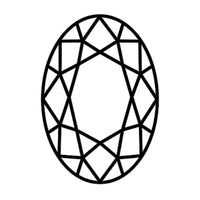
 Oval Cut
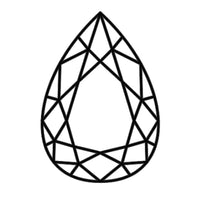 Pear Cut
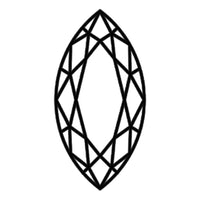 Marquise Cut
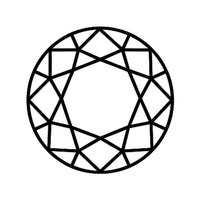 Round Cut
 Kite Cut
 Hexagon Cut
 Heart Cut
 Emerald Cut
 Conffin Cut


Green Moissanite Explained: Colors, Meaning & Care
Green moissanite is a lab-created gemstone admired for its vivid green color, strong brilliance, and excellent durability. Unlike traditional gemstones that are mined from the earth, green moissanite is grown in controlled laboratory conditions, allowing for precise color control and high clarity. Today, it is widely used in modern jewelry, especially in designs such as a green moissanite ring for engagement and fashion purposes.
In this guide, we will explore what green moissanite is, whether it is natural, what colors are available, its hardness, how it compares to emerald, and practical care tips.
What Is Green Moissanite?
Green moissanite is a variety of lab-created moissanite (silicon carbide) that displays green tones. It is not a naturally mined gemstone but a scientifically engineered material designed to achieve specific color and optical properties.
The green color can vary depending on the growth or treatment process, resulting in different shades such as mint green, olive green, and deep forest green. Because of this controlled creation process, green moissanite is known for its consistency, brilliance, and affordability compared to many natural green gemstones.
In modern jewelry design, green moissanite is often used in rings, pendants, and earrings. Among them, the green moissanite ring has become especially popular for people who want a unique and colorful alternative to traditional gemstone rings.

Is Green Moissanite Natural?
Green moissanite is not a naturally occurring gemstone in gem-quality form.
Natural moissanite is extremely rare in nature and is usually found only in microscopic quantities. It is not large or pure enough for jewelry use.
All gemstones used in jewelry, including green moissanite, are:
- Lab-created in controlled environments
- Designed for clarity and durability
- Enhanced for consistent color and brilliance
This means that every green moissanite stone is ethically sourced and conflict-free, making it a sustainable choice for modern jewelry buyers.
What Colors Does Moissanite Come In?
Although colorless moissanite is the most common type, modern technology allows moissanite to be produced in a variety of colors.
Common moissanite colors include:
- Colorless (classic diamond-like appearance)
- Yellow or champagne tones
- Blue moissanite
- Gray or black moissanite
- Green moissanite (mint to deep green shades)
Among these, green moissanite stands out for its nature-inspired aesthetic and its growing popularity in engagement jewelry and fashion-forward designs.

What Is the Hardness of Green Moissanite?
One of the most important reasons green moissanite is widely used in jewelry is its durability.
Green moissanite ranks around 9.25 on the Mohs hardness scale, making it one of the hardest gemstones used in jewelry, second only to diamond (10).
Why hardness matters:
- Daily wear durability: Suitable for rings and engagement jewelry
- Scratch resistance: More durable than emerald, opal, or pearl
- Long-term brilliance: Maintains sparkle over time
Compared with other green gemstones:
- Emerald: 7.5–8 (can chip easily)
- Peridot: 6.5–7 (softer gemstone)
- Green moissanite: 9.25 (excellent durability for jewelry use)
This makes green moissanite highly practical for everyday jewelry, especially for people seeking both beauty and strength.
Green Moissanite vs Emerald: Key Differences
Green moissanite is often compared with emerald because both gemstones share a rich green appearance. However, they differ significantly in structure and durability.
Emerald is a natural gemstone from the beryl family, known for its deep green color and historical luxury appeal. However, most emeralds contain natural inclusions, which can weaken the stone and make it more fragile.
Green moissanite offers a modern alternative with improved durability and clarity.
Key differences:
- Durability: Emerald is softer and more fragile; green moissanite is much stronger
- Clarity: Emerald often contains inclusions; green moissanite is typically eye-clean
- Brilliance: Green moissanite has stronger fire and sparkle
- Maintenance: Emerald requires careful handling; green moissanite is low-maintenance
Because of these differences, green moissanite is often preferred for jewelry that is worn daily.
Green Moissanite in Modern Jewelry
In modern jewelry design, green moissanite is widely used in rings, necklaces, and fashion pieces. One of the most popular applications is the green moissanite ring, especially in engagement and promise ring designs.

A green moissanite ring highlights the gemstone’s vivid color and brilliance, making it a stylish choice for those who want something different from traditional diamond rings. It combines natural-inspired beauty with modern craftsmanship, making it suitable for both minimalist and statement jewelry styles.
Care Tips for Green Moissanite Jewelry
Although green moissanite is highly durable, proper care helps maintain its brilliance:
- Clean with warm water and mild soap
- Use a soft brush to remove dirt and oil buildup
- Avoid harsh chemicals or abrasive materials
- Store separately to prevent scratching metal settings
With simple care, green moissanite jewelry can maintain its shine for many years.
Conclusion
Green moissanite is a modern lab-created gemstone known for its vivid green color, brilliance, and durability. It offers a unique and elegant option for those looking for something different from traditional gemstones.
In modern jewelry, green moissanite is often featured in stylish designs such as engagement rings and fashion rings, making it a popular choice for everyday wear.
If you’re interested in exploring more unique gemstone styles, you can also discover our collection of opal rings, classic moissanite rings, and other nature-inspired designs to find the perfect piece that matches your style.