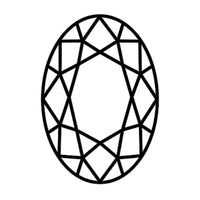
 Oval Cut
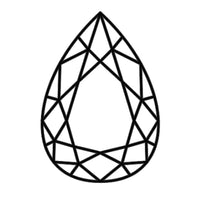 Pear Cut
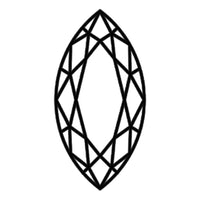 Marquise Cut
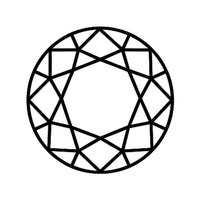 Round Cut
 Kite Cut
 Hexagon Cut
 Heart Cut
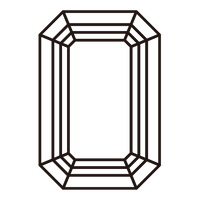 Emerald Cut
 Conffin Cut


Baguette Cut vs. Emerald Cut: Which Should You Choose?
Baguette cut and emerald cut gemstones can look surprisingly similar at first glance. Both have clean rectangular shapes and step-cut facets that create a sleek, geometric appearance. But once you look more closely, they differ in proportions, sparkle, and how they are typically used in jewelry.
So, which should you choose?
If you want a slim, understated look or a design with smaller accent stones, a baguette cut may be the better fit. If you prefer a more noticeable center stone with an elegant, elongated appearance, an emerald cut is often the stronger choice.
Here is how the two cuts compare and what to consider before choosing one for your ring.
Baguette Cut vs. Emerald Cut: Key Differences
| Feature | Baguette Cut | Emerald Cut |
|---|---|---|
| Shape | Long, narrow rectangle | Wider rectangle with cropped corners |
| Facet style | Step cut | Step cut |
| Appearance | Slim and geometric | Elongated and elegant |
| Sparkle | Subtle, with broad flashes | Subtle, with more visible reflections |
| Common use | Accent stones or smaller center stones | Center stones |
| Overall style | Minimalist, linear, Art Deco-inspired | Classic, refined, sophisticated |
Neither cut is automatically better. The right choice depends on the look you want, the gemstone you are using, and whether the stone will be the center of the ring or part of the overall design.

What Is a Baguette Cut?
A baguette cut is a long, narrow rectangular gemstone with step-cut facets. Its straight lines and slim proportions give it a clean, structured appearance.
Baguette stones are often used as accent stones alongside a larger center stone. Their narrow shape makes them particularly useful for adding length and symmetry to a ring without making the design feel overly busy.
However, a baguette cut does not have to be an accent stone. It can also be used as a center stone for a more minimalist or unconventional ring design.
Because the facets are designed to create broad reflections rather than intense sparkle, baguette cuts tend to have a more understated appearance. This can work especially well when you want the shape of the gemstone to be part of the visual focus.
What Is an Emerald Cut?
An emerald cut is a rectangular step cut with cropped or beveled corners. Compared with a baguette, it is generally wider and has proportions that make it easier to use as a prominent center stone.
The large, open facets of an emerald cut create broad flashes of light rather than the smaller, more scattered sparkle associated with brilliant cuts. The effect is often described as a “hall-of-mirrors” appearance, with reflections that move across the surface of the stone.
Because the facets create a more open view into the gemstone, clarity can be especially noticeable in an emerald cut. When choosing one, it is worth paying attention to the stone's clarity as well as its color and overall cut quality.
Emerald cuts are commonly associated with classic engagement rings, but their clean geometry also works well with modern, minimalist, and vintage-inspired designs.
Baguette Cut vs. Emerald Cut: What Is the Visual Difference?
The biggest difference is width and proportion.
A baguette is typically longer and narrower, creating a strong linear appearance. An emerald cut has more visual width, so it tends to look more substantial when used as a center stone.
This difference can change the entire appearance of a ring.
A baguette-centered design can feel sleek and architectural, while an emerald-cut center stone usually creates a softer and more prominent focal point.
The corners are another noticeable difference. Baguette cuts generally have straight, defined corners, while emerald cuts feature cropped corners that give the stone a distinctive outline.

Which Cut Looks Bigger?
An emerald cut will often appear larger than a baguette cut of a similar carat weight because it generally has a wider face-up appearance.
But carat weight alone does not determine how large a gemstone looks. The stone's length-to-width ratio, depth, and overall proportions also affect its visible size.
If your priority is a center stone that has noticeable presence across the finger, an emerald cut may be more suitable.
If you prefer a slimmer shape that works neatly with other stones, the proportions of a baguette may be more appealing.
Which Cut Has More Sparkle?
Neither baguette nor emerald cuts are designed to maximize sparkle in the same way as brilliant cuts.
Both use step-cut facets, which produce larger flashes and reflections instead of numerous small points of sparkle.
The difference is more about how the light is presented.
Baguette cuts tend to have a restrained, geometric look. Emerald cuts can show broader reflections across their larger facets, giving them a distinctive mirror-like appearance.
If you want maximum brilliance and sparkle, a brilliant-cut gemstone may be a better choice. If you prefer clean lines and subtle flashes of light, either a baguette or emerald cut can work beautifully.
Which Is Better for an Engagement Ring?
Both can work for an engagement ring, but they create very different effects.
An emerald cut engagement ring is a good choice if you want the gemstone to be the main visual focus. Its wider rectangular shape can create an elegant and elongated look on the finger.
A baguette engagement ring can be a better choice if you prefer something more streamlined. Baguettes are also commonly paired with other gemstones, making them useful for three-stone, side-stone, and geometric ring designs.
Your setting matters just as much as the gemstone cut. A baguette can look completely different in a simple solitaire-style setting compared with a ring featuring multiple accent stones.
Likewise, an emerald cut can feel classic in a traditional setting but much more contemporary when paired with a minimal band.
Which Cut Is Better for Colored Gemstones?
Both cuts can work with colored gemstones, including sapphire, emerald, ruby, and other stones.
However, the open facets of step cuts can make the gemstone's body color and clarity more visible. This is something to consider when choosing a colored stone.
For example, if you want a gemstone's natural color to be the main feature of the ring, an emerald cut can create a strong, open display of color.
A baguette cut can work particularly well when you want color to complement the overall ring design rather than dominate it.
The best choice ultimately depends on the individual gemstone. Color saturation, clarity, proportions, and cut quality can all affect the final appearance.
Which One Should You Choose?
The easiest way to decide is to start with the look you want rather than simply asking which cut is better.
Choose a baguette cut if you prefer:
-
A long and narrow shape
-
Clean geometric lines
-
A minimalist or Art Deco-inspired look
-
Subtle flashes of light
-
Accent stones or a less conventional center stone
Choose an emerald cut if you prefer:
-
A wider rectangular shape
-
A more prominent center stone
-
An elongated look on the finger
-
Broad, mirror-like reflections
-
Classic or modern engagement ring styles
There is also no reason to limit yourself to one style. Baguette and emerald cuts can be combined in the same ring to create contrast between wider and narrower rectangular stones.
Whether you prefer the clean lines of a baguette cut or the timeless elegance of an emerald cut, explore both styles in our engagement ring collection.
Baguette Cut vs. Emerald Cut: The Bottom Line
Baguette and emerald cuts share the same basic step-cut style, but their proportions give them very different personalities.
Baguette cuts are slimmer, more linear, and often used to add structure or detail to a ring. Emerald cuts are generally wider and work particularly well when you want the gemstone to stand out as the center of the design.
If you are choosing an engagement ring, consider the stone's role, your preferred proportions, and how much visual presence you want on the finger.
Ultimately, the better cut is the one that fits your ring design and personal style—not simply the one that looks better on paper.
FAQs
Is an emerald cut more expensive than a baguette cut?
Not necessarily. The price of a gemstone depends on factors such as its material, carat weight, color, clarity, cut quality, and origin. Emerald-cut stones may cost more in some cases because they are often used as larger center stones, but the cut itself does not determine the final price.
Can a baguette cut be used as a center stone?
Yes. Although baguette stones are commonly used as accent stones, they can also be used as center stones. A baguette center stone can create a distinctive minimalist or geometric engagement ring.
Are baguette and emerald cuts good for engagement rings?
Yes. Emerald cuts are often chosen for their prominent rectangular shape, while baguettes can create a slimmer and more understated design. The right option depends on the setting and overall style of the ring.
Which cut is better for a minimalist ring?
A baguette cut can be especially suitable for minimalist rings because of its narrow, linear shape. An emerald cut can also work well if you want a minimalist design with a more noticeable center stone.