 Oval Cut
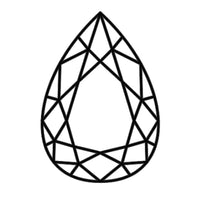 Pear Cut
 Marquise Cut
 Round Cut
 Kite Cut
 Hexagon Cut
 Heart Cut
 Emerald Cut
 Conffin Cut


Alexandrite Meaning: The Rare and Magical Gemstone
Alexandrite is one of the most fascinating and rare gemstones in the world, celebrated for its stunning color-change phenomenon, spiritual significance, and symbolic meaning. Often called the “emerald by day, ruby by night,” alexandrite is a variety of chrysoberyl first discovered in the 1830s in Russia’s Ural Mountains and named after Tsar Alexander II. This gem quickly became associated with royalty, transformation, and good fortune.
As a June birthstone, alongside pearl and moonstone, alexandrite is prized not only for its rarity but also for its transformative qualities, making it a meaningful gift for birthdays, anniversaries, or life milestones. This guide explores alexandrite’s color-changing beauty, symbolism, and why it’s prized in fine jewelry.

Explore the Alexandrite jewelry collection
What Color is Alexandrite?
Alexandrite’s most iconic feature is its dramatic color change. In daylight or fluorescent light, it appears a rich emerald green, evoking growth, vitality, and renewal. Under incandescent light or candlelight, it transforms into a deep ruby red or purplish-red, symbolizing passion, energy, and emotional depth.
This color-change effect, known as the “Alexandrite Effect,” is caused by chromium ions within its crystal structure absorbing light differently depending on the environment. The stronger the color contrast, the more valuable the stone. Russian alexandrite is especially prized for its pure green-to-red transformation, while stones from Brazil, Sri Lanka, and Tanzania may show lighter or subtler transitions. This duality reinforces alexandrite’s symbolism of transformation, balance, and adaptability.
Is Alexandrite an Expensive Stone?
Yes, alexandrite is considered one of the most valuable and rare gemstones in the world. Its price is driven by color-change intensity, clarity, cut, and size, with natural high-quality stones commanding significant premiums. While smaller or less vivid specimens are more accessible, fine natural alexandrite can cost tens of thousands per carat, making it a luxury item sought after by collectors and jewelry enthusiasts. Lab-created alexandrite offers a more affordable alternative but lacks the rarity and prestige of natural stones.

Who Should Not Wear Alexandrite?
While alexandrite is generally considered beneficial and protective, some individuals may need caution according to astrological or metaphysical traditions. Because alexandrite is ruled by Mercury (Budh) in Vedic astrology, it may amplify certain planetary energies. People with zodiac signs such as Taurus, Sagittarius, Cancer, and Virgo could experience emotional imbalances if wearing it without guidance.
Additionally, highly sensitive individuals or those with a strongly positioned Mercury or Ketu in their birth charts may find the stone overstimulating. It is always recommended to consult an astrologer or gemologist if unsure, and to test jewelry metals for skin sensitivity.
What is So Special About Alexandrite?
Alexandrite is extraordinary for several reasons:
-
Color-change phenomenon: It appears as two gemstones in one—green by day, red by night.
-
Rarity: Formed under very specific geological conditions, natural alexandrite is scarce.
-
Durability: With a Mohs hardness of 8.5, it is suitable for rings and everyday wear.
-
Symbolism: Represents transformation, balance, duality, and emotional clarity.
-
Spiritual significance: Enhances intuition, creativity, and personal growth.
Its combination of beauty, rarity, and metaphysical properties makes alexandrite a collector’s dream and a meaningful birthstone.
Is Alexandrite the Rarest Birthstone?
Yes. Alexandrite is widely regarded as the rarest modern birthstone, particularly for June. Unlike pearl or moonstone, high-quality natural alexandrite is scarce due to limited deposits in Russia, Brazil, Sri Lanka, and Tanzania. Fewer than a handful of premium stones are discovered annually, making it highly coveted and exclusive. Its rarity, combined with the dramatic color-change effect, solidifies its place as one of the most prestigious gemstones.

What is the Spiritual Use of Alexandrite?
Alexandrite is valued in crystal healing and metaphysics for its ability to align the mind, heart, and spirit. It primarily activates the heart, third eye, and crown chakras, fostering emotional clarity, intuition, and spiritual growth. Practitioners use alexandrite for:
-
Meditation: Enhances focus, self-discovery, and insight
-
Energy work: Clears blockages and attracts positive vibrations
-
Protection: Shields against negative energy while promoting inner harmony
Its color-changing nature symbolizes dualities in life and personal transformation, making it ideal for those seeking balance and emotional resilience.

Explore more alexandrite jewelry collection
What are the Benefits of Wearing Alexandrite?
Wearing alexandrite offers a variety of physical, emotional, and spiritual benefits:
-
Emotional: Promotes confidence, creativity, emotional balance, and stress relief
-
Relationship: Enhances harmony, loyalty, and attraction of positive connections
-
Spiritual: Boosts intuition, meditation practice, and personal empowerment
-
Practical: Durable enough for daily wear in rings and pendants
-
Life guidance: Serves as a talisman for transformation, luck, and positive opportunities
For best effect, alexandrite is often worn close to the skin, such as in rings or pendants.
Alexandrite Quick Reference Table
| Feature | Details |
|---|---|
| Color | Green (daylight) → Red (incandescent) |
| Symbolism / Meaning | Transformation, balance, personal growth, emotional clarity, good fortune |
| Spiritual / Energy Use | Meditation, chakra alignment (heart, third eye, crown), personal empowerment |
| Benefits of Wearing | Confidence, resilience, emotional balance, attraction of positive energy |
| Durability | 8.5 Mohs, suitable for rings and pendants |
| Recommended Jewelry | Rings, pendants, anniversary or milestone gifts |
| Ideal Recipient / Occasion | June birthdays, spiritual seekers, meaningful gifts |
FAQ About Alexandrite
1. Why does alexandrite change color in different lighting?
Alexandrite changes color due to the presence of chromium in its crystal structure, which absorbs light differently under daylight and incandescent light, creating the famous green-to-red shift.
2. Is alexandrite suitable for everyday jewelry?
Yes. With a Mohs hardness of 8.5, alexandrite is durable enough for daily wear when properly set, making it ideal for rings, pendants, and fine jewelry.
3. How can you tell if an alexandrite is high quality?
High-quality alexandrite shows a strong, clear color change, good clarity, balanced cut, and vivid green-to-red tones rather than dull or brownish hues.
4. What occasions are best for gifting alexandrite jewelry?
Alexandrite is especially meaningful for June birthdays, anniversaries, engagements, and major life milestones due to its symbolism of transformation and new beginnings.
Conclusion
Alexandrite is more than a visually stunning gemstone—it embodies rarity, transformation, and spiritual insight. Its color-changing magic, combined with emotional and metaphysical benefits, makes it ideal for birthstone jewelry, anniversary gifts, or personal talismans.
If you’re interested in alexandrite, explore our exquisite alexandrite rings at Iver Jewelry to find the perfect piece for yourself or as a meaningful gift.