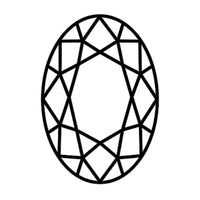
 Oval Cut
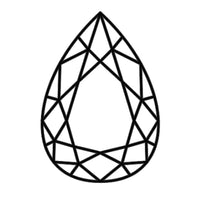 Pear Cut
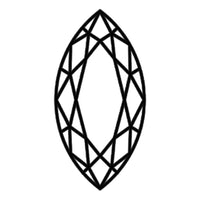 Marquise Cut
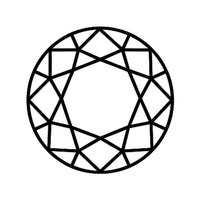 Round Cut
 Kite Cut
 Hexagon Cut
 Heart Cut
 Emerald Cut
 Conffin Cut


A Guide to Green Sapphires: Nature's Elegant Green Gem
Green sapphires bring a refreshing twist to the classic sapphire family. When most people hear the word “sapphire,” they picture deep blue gemstones. However, sapphires occur in a remarkable spectrum of colors—including the elegant and increasingly popular green sapphire.
With shades ranging from soft mint and sage to deep forest green, these gemstones capture the calming beauty of nature. Their subtle color, excellent durability, and meaningful symbolism make them especially appealing for green sapphire engagement rings, everyday jewelry, and unique fine gemstone pieces.
This guide explores everything you need to know about green sapphires, including their value, symbolism, rarity, and how to choose the perfect stone.

What Is a Green Sapphire?
A green sapphire is a variety of the mineral corundum, the same gemstone family as blue sapphire and ruby. Its green color comes primarily from trace amounts of iron, sometimes combined with titanium.
Green sapphires can display a wide range of hues, including:
-
Pale mint green
-
Sage or moss green
-
Teal or bluish-green
-
Olive or yellowish-green
-
Deep forest green
Like all sapphires, green sapphires rate 9 on the Mohs hardness scale, making them one of the hardest natural gemstones used in jewelry. This durability makes them highly suitable for daily-wear rings, including engagement rings.
Green Sapphire Meaning and Symbolism
The green sapphire meaning is closely connected to nature, renewal, and emotional balance. Across different cultures and spiritual traditions, sapphires have long symbolized wisdom, truth, and loyalty, and the green variety adds a deeper association with growth and harmony.
Often referred to as a stone of tranquility, green sapphire is believed to promote inner peace, mental clarity, and balanced emotions. Its fresh green color reflects themes of renewal and new beginnings, making it a symbol of hope, vitality, and personal transformation. In some metaphysical traditions, green sapphires are also linked with communication, intelligence, and thoughtful leadership, encouraging honesty and clear decision-making.
Because of these qualities, green sapphires are sometimes associated with love, loyalty, and emotional healing, reinforcing the gemstone’s reputation as a meaningful choice for sentimental jewelry.

What Is Green Sapphire Good For?
Green sapphires are valued not only for their beauty but also for their versatility and symbolism. Because they rank 9 on the Mohs hardness scale, these gemstones are extremely durable and well suited for everyday jewelry such as green sapphire rings, engagement rings, earrings, and pendants. Their scratch resistance makes them a practical alternative to softer green gemstones like emerald.
Beyond jewelry, green sapphires are often appreciated for their symbolic and spiritual associations. In modern crystal traditions, they are connected with emotional balance, calmness, creativity, and a deeper connection to nature. Some people believe green sapphires encourage clear thinking and inner harmony, making them meaningful stones for personal growth as well as beautiful decorative gems.
Emerald vs. Green Sapphire: Key Differences
When comparing emerald vs green sapphire, both gemstones are admired for their beautiful green hues, but they differ in composition, durability, and typical appearance. Understanding these differences can help when choosing a gemstone for jewelry, especially rings.
Emeralds belong to the beryl mineral family, while green sapphires are part of the corundum family, the same group as blue sapphires and rubies. Because of this difference in mineral structure, the two gemstones also vary in hardness and durability.
Another noticeable distinction is clarity. Emeralds are well known for their natural inclusions, often described as jardin (French for “garden”), which are generally accepted as part of the stone’s character. Green sapphires, on the other hand, tend to appear clearer and may show fewer visible inclusions.
| Feature | Emerald | Green Sapphire |
|---|---|---|
| Mineral Family | Beryl | Corundum |
| Hardness | 7.5–8 Mohs | 9 Mohs |
| Clarity | Often contains visible inclusions | Usually cleaner |
| Durability | Moderately durable | Highly durable |
| Typical Appearance | Rich, vibrant green | Earthy green to teal tones |
Because of their durability and clarity, green sapphires are often chosen for rings and everyday jewelry, while emeralds are prized for their distinctive color and classic gemstone appeal. Both stones offer unique beauty, making them appealing options for fine jewelry depending on personal style and preference.
What Is the Rarest Color of Sapphire?
Among all sapphire varieties, the padparadscha sapphire is considered the rarest and most valuable.
This gemstone displays a delicate blend of pink and orange tones, often described as resembling a tropical sunset. Natural, untreated stones—especially those from Sri Lanka—can command extremely high prices.
While green sapphires are less common than blue sapphires, they are not the rarest color in the sapphire family.

How to Choose a Green Sapphire
Selecting a high-quality green sapphire gemstone requires understanding the gemstone’s key quality factors. While diamonds have strict grading standards, sapphire evaluation relies more heavily on expert judgment.
Color (Most Important)
Color is the most important factor when choosing a green sapphire.
Look for stones with:
-
Even color distribution
-
Vibrant saturation
-
Minimal gray or brown undertones
Popular shades include:
-
Mint green
-
Teal green
-
Sage green
-
Deep forest green
Brighter greens often appear more lively because they reflect light better.
Clarity
Many green sapphires are relatively clean compared to emeralds.
Ideally choose stones that are eye-clean, meaning inclusions are not visible without magnification.
Cut
A well-cut sapphire maximizes brilliance and color.
Popular shapes include:
-
Oval
-
Cushion
-
Emerald cut
-
Round brilliant
Darker stones are sometimes cut shallower to increase brightness.
Carat Weight
Green sapphires are often available in larger sizes compared to rarer sapphire colors, making them attractive for statement rings.
Green Sapphire Engagement Rings
Green sapphire engagement rings are a unique alternative to traditional diamond rings, loved for their natural color and distinctive character. The gemstone’s soft green shades—from mint and sage to deeper forest tones—create a refined look that feels both elegant and unconventional.
In terms of design, green sapphires work beautifully in many engagement ring styles. Solitaire settings highlight the gemstone’s color, while halo or pavé designs add extra sparkle with surrounding diamonds. Vintage-inspired settings, such as emerald cuts or delicate milgrain details, enhance the stone’s classic appeal, while modern bezel or minimalist designs offer a sleek, contemporary look.
Many couples choose green sapphire engagement rings because they combine individuality with meaningful symbolism. Paired with metals like yellow gold, white gold, rose gold, or platinum, these rings offer versatile styles that make them a beautiful and personal choice for an engagement ring.

Thinking about a unique gemstone for your proposal? Learn more in our guide on Are Green Sapphires Good for Engagement Rings?
Final Thoughts
Green sapphires are quietly shining in fine jewelry, blending natural elegance, meaningful symbolism of growth and calm, and everyday durability.
Perfect for a green sapphire engagement ring, a thoughtful gift, or your own collection—they bring timeless beauty with a fresh, personal touch.
Explore our emerald jewellery or coloured gemstone engagement rings—many can be customised with a unique green sapphire.
Ready to create something special? Get in touch—we’d love to help.
FAQ
Do green sapphires change color in different lighting?
Yes, some green sapphires can appear slightly different depending on lighting conditions. Under natural daylight they may show brighter green tones, while indoor lighting can reveal hints of teal, olive, or bluish-green. This subtle color shift is part of the gemstone’s natural charm.
Are green sapphires suitable for everyday wear?
Green sapphires are well suited for everyday jewelry. Their strong crystal structure makes them resistant to scratches and daily wear, which is why they are commonly used in rings, including engagement rings.
What metals look best with green sapphire rings?
Green sapphires pair well with several precious metals. Yellow gold enhances warmer green tones, white gold or platinum creates a crisp and modern look, while rose gold adds a soft vintage-inspired contrast to the gemstone.
How should you clean a green sapphire ring?
Green sapphire jewelry can usually be cleaned with warm water, mild soap, and a soft brush. After cleaning, rinse thoroughly and dry with a soft cloth. Ultrasonic cleaners are often safe for sapphires, but it is always best to confirm whether the stone has any treatments before using them.
Are green sapphires natural or treated?
Many green sapphires on the market have undergone heat treatment, which is a common and stable process used to improve color and clarity. Natural untreated stones also exist but are typically less common.