 Oval Cut
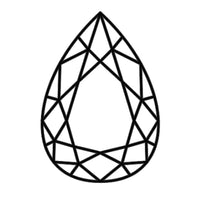 Pear Cut
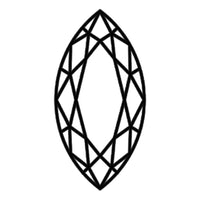 Marquise Cut
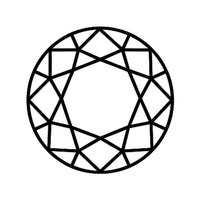 Round Cut
 Kite Cut
 Hexagon Cut
 Heart Cut
 Emerald Cut
 Conffin Cut


10K vs. 14K vs. 18K vs. 24K Gold: Which Is Best for Your Ring?
When choosing a gold ring, you’ll often see the same design offered in different karats. But what changes when you choose 10K, 14K, or 18K—and is 24K better because it is purer?
For many everyday rings, 14K is a practical starting point. 10K usually costs less, while 18K contains more gold and typically has a richer yellow color. Traditional 24K gold is much softer, making it a less common choice for delicate gemstone engagement rings.
The right choice depends on your budget, preferred color, and the ring you plan to wear.
What Do Gold Karats Mean?
Karat measures the proportion of gold in a metal alloy, using a scale of 24.
- 10K gold: About 41.7% gold.
- 14K gold: About 58.3% gold.
- 18K gold: 75% gold.
- 24K gold: Pure or near-pure gold.
Lower-karat gold contains a larger proportion of other metals. These metals affect its color and physical properties. 10K, 14K, and 18K are all real gold alloys—a lower number does not mean the gold is fake.

10K Gold: A Budget-Friendly Choice
10K gold has the lowest gold content of these four options. For comparable rings, it usually offers the lowest price, making it worth considering when you want to keep the cost of the setting down.
In yellow gold, its color often appears lighter than higher-karat options. That can be an advantage if you prefer a subtle yellow rather than a deep golden tone.
Choose 10K if: You like its appearance and want a more affordable gold setting.
Keep in mind that a lower karat does not make a ring indestructible. Thin bands and delicate details still need careful handling.
14K Gold: A Balanced Everyday Option
14K gold sits between 10K and 18K in gold content and usually in price. It is a useful starting point for an engagement ring or wedding band because it balances these considerations without taking either to an extreme.
If you are unsure which material to select, compare the 14K version first. Then decide whether the lower price of 10K or higher gold content of 18K matters more to you.
Choose 14K if: You want a practical balance of gold content, cost, and regular wear.
GIA identifies both 14K and 18K as good choices for gold engagement rings. Neither is the right answer for every wearer.
18K Gold: Higher Purity and Richer Yellow Color
18K gold contains 75% gold. In yellow gold, it generally has a richer golden appearance, which may appeal if you want the metal to be a prominent part of the ring.
That color can be especially noticeable on a wider band or a design with visible metal details. However, higher gold content also generally raises the material cost.
Choose 18K if: You value higher gold content and prefer the appearance of the specific 18K option.
18K can work well for regularly worn rings. As with any gold setting, its design and how you treat it are important.
24K Gold: Pure Gold With Practical Limits
24K gold has a strong natural yellow color and the highest purity of these options. It is used in jewelry, but traditional pure gold is soft and can bend or dent relatively easily.
That makes it a less practical starting point for a delicate engagement ring with fine prongs and a gemstone that needs secure support.
Consider 24K if: Purity is your priority and you are choosing a piece specifically designed for that material.
For a gemstone ring you plan to wear regularly, start by comparing the available 10K, 14K, and 18K options.
A Simple Gold Comparison
| Gold type | Gold content | Main advantage | Main trade-off |
|---|---|---|---|
| 10K | 41.7% | Usually the lowest price | Less gold; yellow color may be paler |
| 14K | 58.3% | Balanced price and gold content | Less pure than 18K |
| 18K | 75% | Higher purity; typically richer yellow | Usually costs more |
| 24K | Pure or near-pure | Highest purity | Traditional pure gold is very soft |
Price comparisons assume similar rings. Gemstones, weight, and craftsmanship also affect the final price.
Hardness and Durability: Is Lower-Karat Gold Stronger?
Pure gold is naturally soft, so jewelers mix it with other metals to make it more practical for jewelry. In many conventional yellow gold alloys, 10K and 14K are harder than 18K. However, lower karat does not always mean greater hardness: the specific alloy and how it is processed also affect the result.
Hardness mainly describes resistance to indentation and relates to scratch resistance. It does not tell you everything about how easily a ring might bend or break. A thin band or delicate prong can still be damaged, regardless of its karat.
For an everyday engagement ring, consider the design alongside the gold type. 14K is a practical starting point, while a well-made 18K ring can also suit regular wear. For leaf details, slender bands, and gemstone settings, construction and careful handling matter just as much as the number stamped inside the ring.

Does Karat Change the Color?
Yes, but the effect depends on which gold color you choose.
Yellow gold: Higher-karat options generally look more distinctly yellow. Compare actual photographs if you are deciding between a pale and a richer shade.
Rose gold: Its pink color comes from the alloy mixture, particularly copper. Different karats and formulas can produce different shades of pink.
White gold: Its appearance depends on the alloy and any rhodium finish. Different karats may look very similar when they have the same surface finish.
For an Iver gemstone ring, look at the metal and stone together. The gold color around a green moss agate or a moissanite center stone may matter more to your preference than the karat number alone.
Is 18K Worth the Extra Cost?
It can be—if the higher gold content or its particular appearance matters to you.
However, upgrading to 18K does not automatically make the gemstone better, the design more attractive, or the whole ring more durable.
The easiest way to decide is to compare the same ring, in the same size, with the same stone across the available metal options.
- Choose 10K if you prefer to keep the setting cost lower.
- Choose 14K if you want a middle option.
- Choose 18K if you are happy to pay more for higher gold content and its appearance.
Use the actual price difference to make your decision, rather than assuming the highest karat must be worth the upgrade.
Choosing Your Gold at Iver Jewelry
Once you have found a ring you like, check the materials offered for that specific design. Available options can vary.
For a moss agate ring, compare how the metal color looks alongside the stone’s green patterns. For a nature-inspired ring, consider how the gold color complements the leaf, vine, or floral details in the design.
Also read the complete material description: a gold-plated silver option is different from a 10K, 14K, or 18K gold option.
If you are undecided, start with 14K and compare from there. The best choice is the one that fits your preferred design, budget, and wearing habits.
Frequently Asked Questions
Is 10K gold real gold?
Yes. It contains about 41.7% gold mixed with other metals. Check the full product description to distinguish gold-alloy jewelry from gold-plated jewelry.
Is 14K or 18K better for an engagement ring?
Both can be suitable. 14K is a practical starting point for balancing cost and regular wear. 18K offers higher gold content and typically a richer yellow color.
Can gold rings lose their shine?
Yes. Scratches, buildup, and surface changes can affect their appearance. Appropriate cleaning and occasional professional maintenance help keep them looking their best.
Is 18K gold guaranteed not to cause skin irritation?
No. Karat describes gold content, not the complete alloy. If you have a known metal sensitivity, ask about the specific metals used before ordering.
Why not choose 24K for every ring?
Higher purity comes with practical trade-offs. Traditional pure gold is soft, so it is not the default choice for delicate settings intended for frequent wear.