 Oval Cut
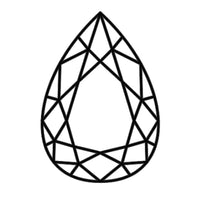 Pear Cut
 Marquise Cut
 Round Cut
 Kite Cut
 Hexagon Cut
 Heart Cut
 Emerald Cut
 Conffin Cut


10K vs 14K Rose Gold Engagement Rings: Which Should You Choose?
Rose gold has a warmth that feels instantly romantic. Its soft blush tone complements traditional diamonds, colorful gemstones, and nature-inspired ring designs without feeling overly formal. But once you have decided on rose gold, another question often follows: should you choose a 10K or 14K rose gold engagement ring?
The short answer is that both are genuine solid gold and both can be worn in an engagement ring. 10K rose gold is generally more affordable and contains a higher proportion of strengthening alloys, while 14K rose gold contains more pure gold and offers a balanced combination of beauty, durability, and long-term value.
For many engagement-ring buyers, 14K rose gold is the natural middle ground. However, 10K can be a practical choice for someone who prefers a lower price, a distinctly pink appearance, or a ring suited to an active lifestyle.
The right choice depends less on which one is “better” and more on how you want your ring to look, feel, and age over time.
10K vs 14K Rose Gold at a Glance
| Feature | 10K Rose Gold | 14K Rose Gold |
|---|---|---|
| Pure gold content | 41.7% | 58.3% |
| Alloy content | 58.3% | 41.7% |
| Typical color | Often pinker or more copper-toned | Usually warmer and more gold-toned |
| Durability | Generally harder | Durable with a slightly softer feel |
| Price | More affordable | More expensive |
| Metal value | Lower gold content | Higher gold content |
| Skin sensitivity | Greater alloy content may increase sensitivity | Often preferable for sensitive skin |
| Best for | Budget-conscious and active wearers | Long-term engagement and wedding jewelry |
These differences are useful guidelines, but rose gold color and performance can vary between jewelers. There is no single universal rose gold recipe: the precise balance of gold, copper, silver, and other metals affects the final shade and hardness.
What Does 10K or 14K Mean?
The “K” stands for karat, a measurement of gold purity based on 24 parts.
Pure gold is 24K, but it is too soft for the fine details and secure gemstone settings needed in most engagement rings. Jewelers combine it with other metals to improve strength, influence color, and make it more suitable for everyday wear.
A 10K rose gold ring contains:
- 41.7% pure gold
- 58.3% alloy metals
A 14K rose gold ring contains:
- 58.3% pure gold
- 41.7% alloy metals
Rose gold receives its signature blush color primarily from copper. Silver and other metals may also be used to soften or adjust the finished tone.
Both 10K and 14K are solid gold alloys. They should not be confused with rose gold plating, which applies only a thin layer of gold over another base metal.
Is 10K Rose Gold Pinker Than 14K?
In many cases, 10K rose gold appears pinker or more copper-toned because it contains a larger proportion of alloy metals. By comparison, 14K rose gold often has a warmer, softer blush with slightly more golden depth.
However, the difference is not always dramatic. Two rings made by different jewelers may look different even when both are marked 14K because their alloy recipes are not identical. Lighting, polish, ring width, and the gemstones used in the design can also change how the color appears.
If color is especially important to you, compare actual rings or metal samples from the same jeweler rather than relying only on online reference images.
How Rose Gold Complements Different Gemstones
Rose gold can change the overall mood of an engagement ring:
- Moss agate: The warm metal creates a beautiful contrast with natural green inclusions.
- Moissanite: Its clear sparkle appears softer and more romantic against rose gold.
- Alexandrite: Rose gold can highlight the stone’s purple and reddish tones.
- Opal: The blush-colored setting complements warm flashes within the stone.
- Sapphire: Blue and green sapphires stand out against the warmth of the metal.
For a nature-inspired engagement ring, rose gold often emphasizes leaf, vine, floral, and woodland details especially well.
From the practical durability of 10K rose gold to the refined warmth of 14K rose gold, Iver Jewelry’s nature-inspired rings are available in a range of metals, allowing you to choose the perfect setting for your gemstone and personal style.
[products1]
Which Is More Durable: 10K or 14K Rose Gold?
Because 10K rose gold contains more alloy metals, it is generally harder and more resistant to bending than 14K rose gold. This can make it appealing to people who work with their hands or prefer a practical everyday ring.
That does not mean 14K rose gold is fragile. It remains sufficiently durable for engagement rings and wedding bands when the ring is properly designed and cared for. Its balance of gold content and strength is one reason it is widely used in fine jewelry.
It is also important to remember that hardness is only one part of durability. The lifespan of an engagement ring also depends on:
- Band thickness
- Prong design
- Stone setting
- Ring profile
- Quality of craftsmanship
- The wearer’s daily routine
- How regularly the ring is inspected
A delicate 10K ring can still bend more easily than a well-constructed 14K ring with a substantial band. The design matters just as much as the karat.
Does 10K or 14K Rose Gold Scratch?
Both metals can develop scratches with regular wear. Engagement rings come into contact with countertops, bags, door handles, and other jewelry almost every day, so some surface wear is natural.
Although 10K rose gold is generally harder, it is not scratch-proof. Fourteen-karat rose gold can also hold up beautifully for many years with sensible care.
Fine surface marks eventually create a soft patina that many people consider part of the ring’s character. If you prefer a brighter polished finish, a professional jeweler can restore it during routine maintenance.
To reduce unnecessary wear:
- Remove your ring during exercise and heavy manual work.
- Avoid wearing it while cleaning with harsh chemicals.
- Store it separately from harder gemstones.
- Do not place it loose in a bag with other jewelry.
- Have the prongs and setting checked periodically.
Does Rose Gold Tarnish or Fade?
Solid rose gold does not peel in the way rose gold-plated jewelry can. Its color runs throughout the metal because it is created by the alloy itself rather than a surface coating.
However, rose gold may gradually change in appearance. Copper can react with air, moisture, skincare products, and chemicals, creating a slightly deeper or warmer patina. This is usually subtle and can often be removed through professional cleaning and polishing.
Because 10K rose gold contains more alloy metal and less pure gold, it may be somewhat more susceptible to surface discoloration than 14K rose gold. Actual results depend on the alloy formula, environment, and care routine.
Neither option should require rhodium replating, which is commonly associated with white gold. Explore Iver Jewelry’s nature-inspired rings, available in sterling silver and a selection of gold finishes, including romantic rose gold.

Is 10K or 14K Rose Gold Better for Sensitive Skin?
Gold itself is generally well tolerated, but the additional metals used in an alloy may cause reactions in some people.
Since 10K rose gold contains a greater proportion of alloy metals, it may present a higher risk for someone who is sensitive to copper, nickel, or other metals. Fourteen-karat rose gold contains more pure gold, but it can still cause irritation if its particular alloy includes a metal that does not agree with your skin.
If you have experienced jewelry allergies before:
- Ask the jeweler about the alloy composition.
- Confirm whether the ring contains nickel.
- Consider 14K or a higher-purity option.
- Consult a dermatologist if you have a known metal allergy.
Do not assume that every rose gold ring uses the same formula. Asking about the actual composition is more useful than relying on karat alone.
10K vs 14K Rose Gold for an Engagement Ring
For most buyers, 14K rose gold offers the best overall balance. It contains noticeably more gold than 10K while remaining durable enough for an engagement ring worn regularly.
It is particularly suitable if:
- You plan to wear the ring every day.
- You want a classic fine-jewelry feel.
- Long-term value matters to you.
- You plan to pair it with a 14K wedding band.
- You prefer a balanced blush tone rather than a strongly copper-colored finish.
Ten-karat rose gold may be the better choice if:
- Your budget is more limited.
- You are harder on your jewelry.
- You prefer a pinker color.
- You want genuine solid gold at a lower price.
- The ring will be worn occasionally rather than continuously.
Neither choice diminishes the meaning of the ring. Karat describes the composition of the metal—not the significance of the engagement.
How to Choose the Right Rose Gold Ring
Before deciding, ask yourself five practical questions:
-
Which color do I prefer?
Compare real 10K and 14K samples whenever possible. -
How often will I wear the ring?
Daily wear makes durability, construction, and care especially important. -
Do I have sensitive skin?
Ask about the full alloy composition—not just the gold percentage. -
What is my total budget?
Consider the setting, gemstone, wedding band, resizing, and future maintenance together. -
Will I pair it with another ring?
Matching karat and alloy can help create a more consistent bridal stack.
Explore Iver Jewelry’s nature-inspired rings in 10K and 14K rose gold, along with other metal options designed to complement your gemstone, style, and lifestyle.
Final Verdict: 10K or 14K Rose Gold?
There is no universal winner in the comparison between 10K vs 14K rose gold engagement rings.
Ten-karat rose gold is affordable, generally harder, and often more visibly pink. It is a sensible option for shoppers who want a practical solid-gold ring without stretching their budget.
Fourteen-karat rose gold contains more pure gold and offers an appealing balance of warmth, durability, and long-term value. For an engagement ring designed to be worn and treasured for years, it is often the more versatile choice.
Whichever karat you choose, look beyond the number alone. A well-made ring with a secure setting, thoughtful proportions, and a style you genuinely love will matter far more than a small difference in gold content.
FAQ
Is 10K or 14K rose gold better for an engagement ring?
Fourteen-karat rose gold is often preferred for engagement rings because it balances durability, gold content, color, and long-term value. Ten-karat rose gold is a good alternative for buyers prioritizing affordability and hardness.
Is 10K rose gold real gold?
Yes. 10K rose gold is genuine solid gold containing approximately 41.7% pure gold. The remaining portion consists of metals used to create its color and strength.
Is 14K rose gold real gold?
Yes. 14K rose gold contains approximately 58.3% pure gold mixed with copper and other alloy metals. It is widely used for engagement rings and wedding jewelry.
Does 10K rose gold look different from 14K?
It can. Ten-karat rose gold often appears pinker or more copper-toned, while 14K may have a warmer blush with more golden depth. The exact difference depends on the jeweler’s alloy formula.
Is 10K rose gold more durable than 14K?
Generally, 10K rose gold is harder because it contains a greater proportion of alloy metals. However, ring durability also depends heavily on band thickness, setting design, craftsmanship, and care.
Does 10K rose gold tarnish?
Solid 10K rose gold does not peel like plated jewelry, but it may develop slight discoloration or a deeper patina over time because of its alloy content. Regular cleaning can help maintain its finish.
Does 14K rose gold fade?
The rose color is part of the metal itself, so it does not simply wear away like plating. Its surface may become dull or develop scratches, but professional polishing can restore its appearance.